The Secret Formula Behind Your Favorite TV Characters Isn't Real—And Here’s Why You Can’t Stop Watching
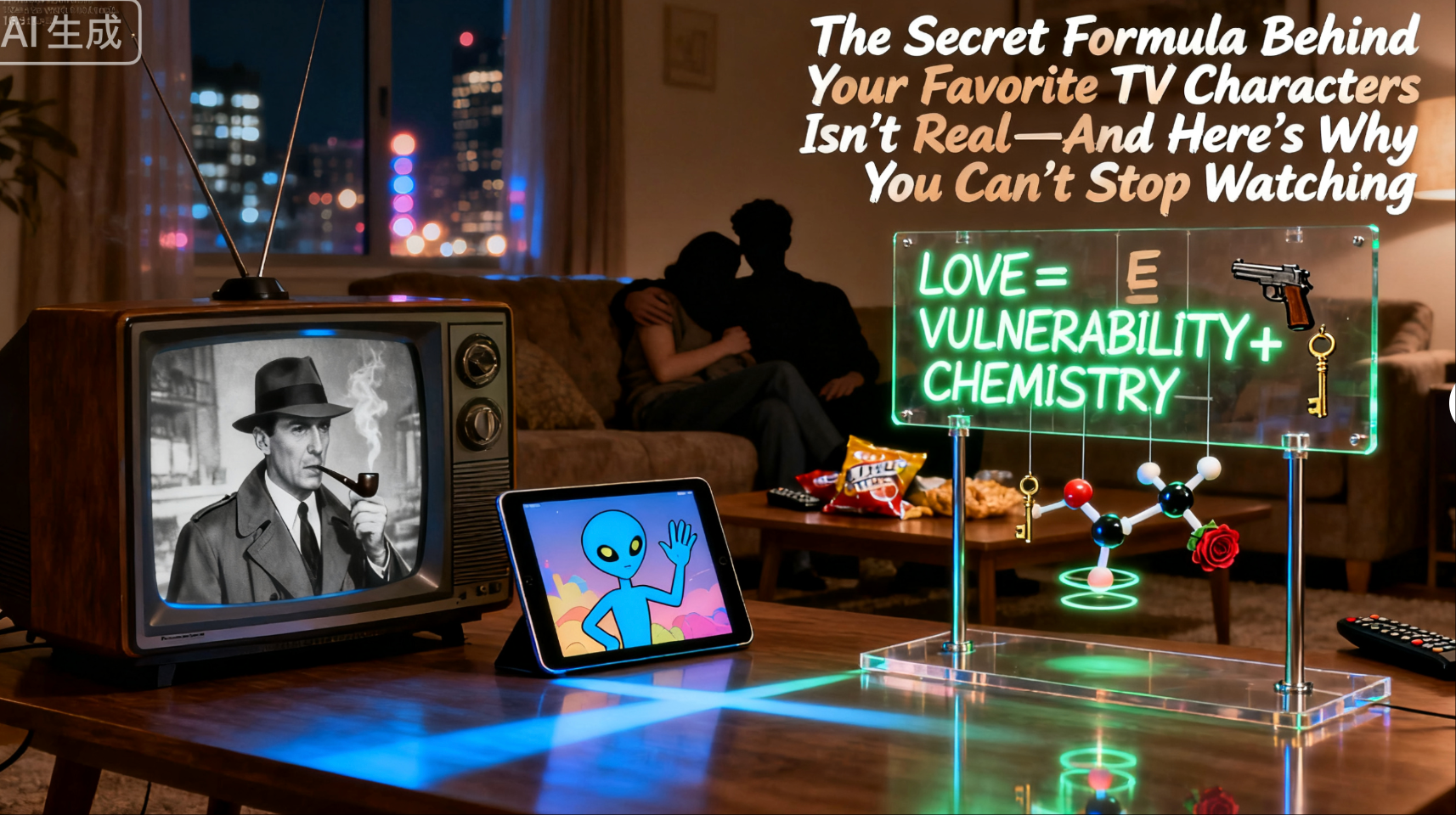
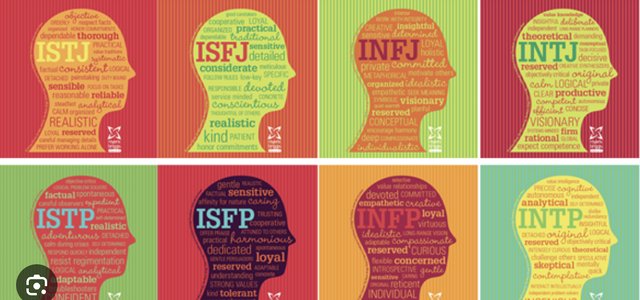
In contemporary film and television, a fascinating phenomenon known as “personality fusion” has emerged as a central tool in character design. This term refers to the deliberate blending of two or more distinct personality traits—often drawn from frameworks like the Myers-Briggs Type Indicator (MBTI)—into a single character. While real humans rarely exhibit such neatly hybridized personalities, these constructed characters resonate deeply with audiences. They balance contradictions, amplify emotional appeal, and fulfill narrative needs that pure, realistic personalities often cannot. From a psychological and narrative perspective, this approach reveals much about what viewers desire from stories and how those preferences mirror deeper societal expectations around personality and behavior. To understand why fusion characters are so effective, consider the common blend of ENTP and ENFP traits in male roles. Individually, these types may lack the traditional “heroic” or “romantic” qualities that audiences gravitate toward. A pure ENTP, for example, often exhibits a mischievous, boundary-pushing demeanor that can read as arrogant or unprincipled. On the other hand, a typical ENFP radi warmth and approachability but may lack compelling edge or gravitas. However, when writers merge these types—embedding ENFP’s emotional warmth into an ENTP’s cunning foundation—the result is a character like Wang Zhenqiu, who projects rebellious charm externally but harbors deep loyalty and sensitivity internally. This contrast creates magnetic tension, making the character irresistibly engaging. Yet in reality, such a combination is statistically rare. Audiences are drawn not to realism, but to idealized complexity. A more intricate example is the character of Teacher Lei Ming, portrayed by Zhang Ruoyun. This role exemplifies multi-layered fusion, integrating traits from ENTP, ENFP, and even INTJ personalities. On the surface, Lei Ming embodies classic ENTP qualities: he debates relentlessly, thrives on innovation, and values tangible success. These are tempered by ENFP-like attributes, including a profound dedication to teaching and a backstory involving personal tragedy—elements that inject moral depth and vulnerability. However, the actor’s own perceived INTJ traits further colored the performance, introducing a reserved, introverted energy that diverged from the extroverted “aura” expected of an ENTP. This subtle shift altered the character’s core essence, diluting the character’s natural desire for admiration—a key trait of vibrant ENTPs. This illustrates how actor interpretation can unintentionally reshape a role, sometimes creating an entirely new fusion unintentionally. Imagine, however, if Lei Ming had been written as a pure ENTP without fusion. In a more psychologically accurate depiction, he might prioritize self-interest over ethical teaching—perhaps leveraging his influence for personal gratification, including inappropriate relationships with students. He would likely pursue entrepreneurial ventures not for altruistic reasons but for profit and prestige. While arguably more realistic, such a character would alienate viewers. Modern audiences demand protagonists who, despite flaws, possess redeeming qualities and emotional depth. Fusion personalities serve precisely this purpose: they soften edges, amplify virtues, and make complex characters palatable and inspiring. This trend extends beyond individual examples to dominate much of today’s popular media. From ensemble pieces like Luo Xiaohei—which excels in crafting supporting roles with believable, distinct personalities—to leading roles in dramas, fusion has become a staple technique. It reflects a broader viewer preference: audiences are increasingly drawn to characters who embody aspirational traits rather than stark realism. This is especially evident in portrayals of male characters, where pure, unblended personalities often feel unlikable or too abrasive. Fusion allows writers to balance intelligence with empathy, ambition with kindness, and arrogance with humility—creating the illusion of well-roundedness that real humans rarely achieve. From a career development perspective, this phenomenon underscores how personality models are utilized—and sometimes manipulated—in storytelling. While MBTI and similar frameworks help categorize human behavior, they are not rigid templates. Real people are dynamic and context-dependent, whereas fused characters are engineered for narrative effect. Understanding this can help individuals differentiate between media portrayals and real-world expectations. For instance, aspiring leaders might feel pressured to emulate the charismatic resilience of a fused ENTP-ENFP character, but real-world success requires authenticity, not artificial hybridization. Ultimately, the prevalence of personality fusion in media reveals as much about audience psychology as it does about character design. It highlights a collective craving for idealized human complexity: characters who reflect our best possible selves, not our actual selves. As consumers of media, recognizing this mechanism allows for more critical engagement with the stories we love. For professionals in psychology and career coaching, it reinforces the importance of helping clients navigate their genuine traits rather than aspiring to fictional ideals. In both storytelling and self-development, authenticity remains the true foundation of lasting appeal. — PersonaProMax offers tailored insights into personality types and career alignment. Explore our resources to discover how your true traits can guide your professional journey—without the need for fictional fusion.
More Character Personality Analysis
- 📊 Take the Free Personality Test — Which character matches you? →
- 🎭 Character Database — 777+ character analyses by type →
- 📺 Top 20 Famous INTJ Characters — Iconic masterminds in pop culture →
- 🧠 MBTI Cognitive Functions — The theory behind character personalities →
- 📚 MBTI Myths Debunked — Personality stereotypes vs reality →