Anton Ego - INTJ Personality Type

Anton Ego

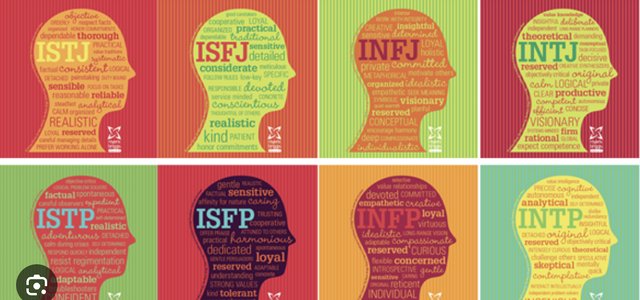
INTJ - Architect

Category

Movie

Nationality

French

Occupation

Food Critic

About Anton Ego

Anton Ego is the famously acerbic and feared food critic in Pixar's film 'Ratatouille'. He is known for his ruthless, intellectually scathing reviews that can make or destroy a restaurant's reputation. His significance lies in his journey from a cynical, joyless arbiter of taste to someone who rediscovers the emotional and nostalgic power of food through Remy's ratatouille.

Personality Profile: INTJ

Confidence: 85%

Personality Analysis

Anton Ego is a classic INTJ, driven by a dominant Introverted Intuition (Ni) that constructs a grand, internal vision of what constitutes true culinary art. He is not merely a critic of food but a critic of philosophy, judging meals against an idealized, abstract standard of perfection and integrity. His auxiliary Extraverted Thinking (Te) manifests in his ruthless, logical, and efficient dismantling of restaurants that fail to meet his Ni vision; his famous review of Gusteau’s is a model of Te-driven execution, delivering a verdict with cold, factual finality. His tertiary Introverted Feeling (Fi) is deeply buried but fiercely guards his personal values—his love for genuine artistry and his painful childhood memory associated with ratatouille. This Fi, when finally accessed, leads to his dramatic transformation and his beautiful final review, which is a heartfelt (Fi) articulation of his revised Ni vision. His inferior Extraverted Sensing (Se) is evident in his physical presentation—tall, gaunt, dressed like a mourner, residing in a coffin-like office—showing a neglect of sensory pleasure and present-moment experience until the ratatouille violently and wonderfully forces a Se experience upon him, breaking his Ni-Te rigidity. His growth arc is the journey of an unhealthy INTJ, whose Ni-Te has become a weapon of cynicism, learning to integrate his tertiary Fi (personal meaning, nostalgia, joy) and inferior Se (simple sensory delight), allowing him to become a patron of true creativity rather than its destroyer.

Supporting Evidence

His introductory scene establishes his INTJ nature: he works alone in a stark, tomb-like office, crafting his review with Te precision to destroy a chef based on Ni principles of authenticity. His monologue about criticism—’the bitter truth we critics must face’—reveals his Ni-driven, systemic view of his role as a necessary, if grim, arbiter of standards. The transformative moment occurs when he tastes the ratatouille, which triggers a powerful Se sensory flashback to his childhood (inferior Se breakthrough), accessed through deeply personal Fi emotion, completely overturning his prior Ni-Te judgment. His final review demonstrates integrated INTJ health: he uses his Te to communicate a new, more generous Ni vision (‘Not everyone can become a great artist, but a great artist can come from anywhere’), founded on a personal Fi revelation about the purpose of criticism and creativity.

Cognitive Function Stack

Confidence: 85%

The cognitive function stack represents how an individual processes information and makes decisions based on Jungian personality type theory.

Auxiliary Function: Te

Extraverted Thinking - Organizing and structuring the external world logically and efficiently.

Dominant Function: Ni

Introverted Intuition - Perceiving underlying patterns and developing long-range visions.

Inferior Function: Se

Extraverted Sensing - Experiencing and interacting with the immediate environment.

Tertiary Function: Fi

Introverted Feeling - Making decisions based on internal values and personal ethics.

Enneagram Personality Profile:

Confidence: 85%

5w4

Big Five Personality Traits

Confidence: 85%

The Big Five personality traits represent the five broad dimensions of personality that are commonly used to describe human personality.

Openness 0%
Conscientiousness 0%
Extraversion 0%
Agreeableness 0%
Neuroticism 0%

Similar INTJ Characters

Explore other characters with similar personality traits