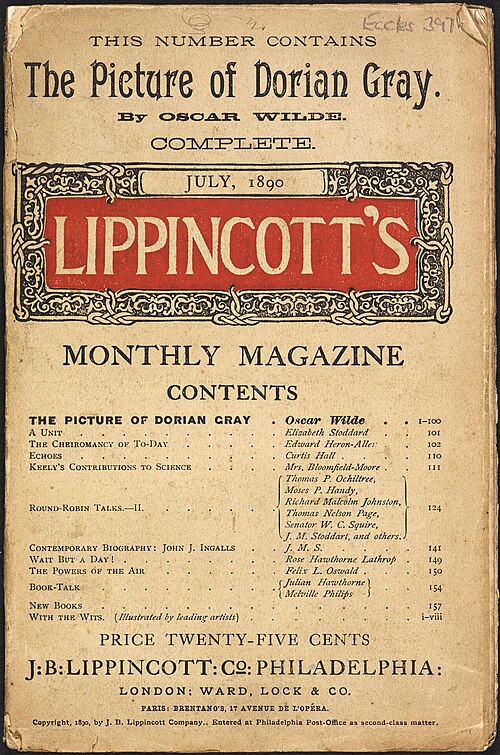
Dorian Gray is a classic and deeply unhealthy ISFP. His dominant Introverted Feeling (Fi) is the core of his being, creating a powerful, subjective, and self-referential value system. He judges everything based on how it makes him feel and whether it aligns with his internal ideal of beauty and experience. This leads to a profound selfishness; his moral compass points only inward, making him indifferent to the suffering he causes others, as long as his internal aesthetic and emotional state is preserved. His values are rigidly centered on his own experience, not on external ethics.
His auxiliary Extraverted Sensing (Se) is the engine of his hedonism. He is acutely attuned to the physical world—art, fashion, opium dens, music, and romantic encounters—and relentlessly pursues new sensations. He lives for the present moment, seeking intensity and beauty in all experiences. This Se-Fi loop fuels his descent, as each new experience is evaluated purely by its immediate sensory and emotional payoff, without consideration for long-term consequences or the impact on his soul.
His underdeveloped tertiary Introverted Intuition (Ni) manifests as a dark, singular fixation. Instead of using Ni for future insight or integration of ideas, Dorian fixates on the single concept of his own beauty and its decay. He is haunted by the portrait, which serves as a distorted Ni symbol of his true self. His inferior Extraverted Thinking (Te) is his greatest blind spot. He is incapable of logical, structured planning for his life beyond his desires. When Te does erupt, it is in a childish, defensive, or manipulative form, such as blackmailing former friends or attempting to rationalize his actions after the fact, but he ultimately cannot control or organize the external chaos he creates.