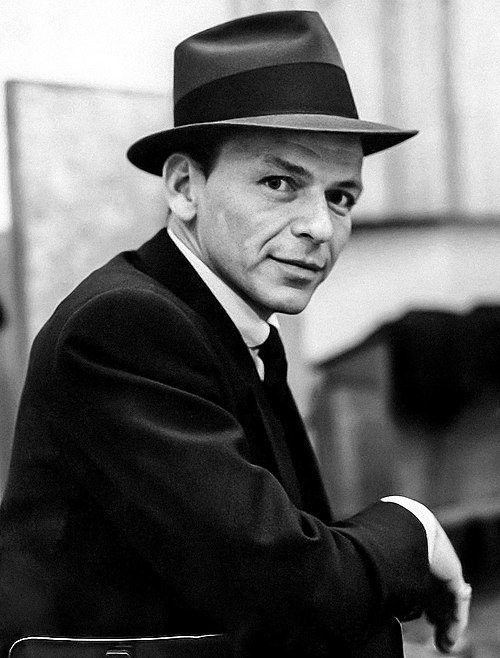
Frank Sinatra’s personality strongly aligns with the ESFP type, often called ‘The Entertainer.’ His dominant cognitive function is Extraverted Sensing (Se), which was evident in his immersive, present-moment engagement with performance. He lived for the sensory experience of the stage—the sound of the orchestra, the energy of the crowd, the visual spectacle. This function drove his spontaneous lifestyle, love for fast living, and impeccable, in-the-moment musical phrasing. His life was a series of vivid experiences, from his singing to his Hollywood escapades, all filtered through a keen awareness of the immediate physical and social environment. His auxiliary function, Introverted Feeling (Fi), provided the core of his artistic expression. While Se captured the moment, Fi infused his performances with raw, personal emotion, making songs like ‘In the Wee Small Hours’ feel deeply intimate and authentic. This internal value system also governed his fierce loyalty to friends and his notorious feuds with those he felt had wronged him. His decisions were less about logical consistency and more about personal honor, passion, and authenticity. The tertiary function, Extraverted Thinking (Te), emerged in his sharp business acumen, his take-charge attitude on and off stage (famously directing conductors), and his ability to build a formidable entertainment empire. His inferior function, Introverted Intuition (Ni), when under stress, could manifest as paranoia about the future or a fixation on negative long-term consequences, perhaps contributing to his periods of melancholy and his infamous ‘Sinatra Summit’ with mob figures to secure his career interests.