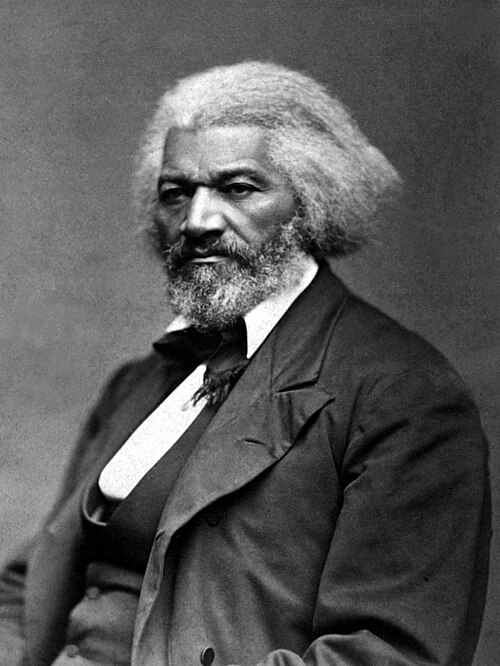
Frederick Douglass exemplifies the ENTJ (The Commander) personality type, driven by Extraverted Thinking (Te) as his dominant function. His entire life’s work was characterized by a relentless, strategic drive to organize and execute a plan for societal transformation. He valued efficiency, logic, and systemic change, channeling his formidable intellect into creating powerful arguments and building institutions (like his newspaper, The North Star) to achieve his goals. His leadership was direct, commanding, and focused on tangible results, whether in his speeches, writings, or political advising.
His auxiliary function, Introverted Intuition (Ni), provided the visionary depth behind his Te-driven action. Douglass did not merely react to injustice; he foresaw a future of equality and freedom and worked backward to chart the path to get there. His narratives and speeches are filled with profound symbolic insights and a deep understanding of the underlying principles of power, liberty, and human nature. This Ni vision gave his Te efforts a cohesive, long-term direction, moving beyond mere protest to blueprint a new social order.
In interpersonal dynamics, his tertiary Extraverted Sensing (Se) allowed him to be a captivating and physically imposing presence. He was a master orator who could read a room, use vivid imagery, and command attention through his powerful voice and stature. His inferior Introverted Feeling (Fi) is seen in the deeply personal, moral core of his mission. While he led with logic and strategy, his work was fueled by an unspoken but profound inner conviction about human dignity and his own self-defined identity. Growth for an ENTJ often involves integrating this Fi, which Douglass did by increasingly weaving personal narrative and moral passion into his logical arguments, creating a uniquely powerful and holistic appeal.