Magdalena Carmen Frida Kahlo y Calderón - ISFP Personality Type

Magdalena Carmen Frida Kahlo y Calderón

ISFP - Adventurer

Category

History

Nationality

Mexican

Occupation

Painter

About Magdalena Carmen Frida Kahlo y Calderón

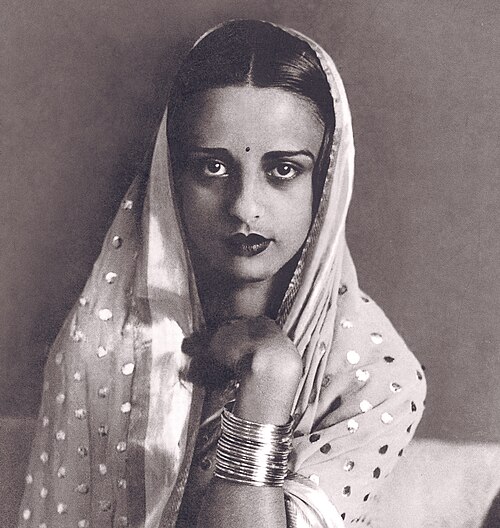
Frida Kahlo was a renowned Mexican painter known for her many portraits, self-portraits, and works inspired by the nature and artifacts of Mexico. She is celebrated for her uncompromising and brilliantly colored depiction of her own physical and psychological pain, as well as her exploration of identity, postcolonialism, gender, class, and race in Mexican society. Her work has become emblematic of Mexican national and indigenous traditions and of feminist and LGBTQ+ movements.

Personality Profile: ISFP

Confidence: 85%

Personality Analysis

Frida Kahlo exemplifies the ISFP personality type, with Introverted Feeling (Fi) as her dominant function. This is evident in her profound, internalized value system and her relentless authenticity. Her art was not created for external validation but as a necessary expression of her inner emotional reality—her pain, love, politics, and identity. She lived according to a deeply personal moral and aesthetic code, often defying societal norms in her lifestyle, relationships, and self-presentation. Her Fi was uncompromising, making her intensely private in her emotional world yet powerfully expressive in her chosen mediums. Her auxiliary function, Extraverted Sensing (Se), is showcased in her vibrant, detailed, and visceral artwork. She immersed herself in the sensory world: the lush colors of Mexican flora and fauna, the textures of traditional Tehuana dresses, and the physical sensations of pain and pleasure. Her home, La Casa Azul, was a sensory sanctuary filled with collections. Se allowed her to translate her rich inner Fi world into tangible, striking imagery, making her emotions almost palpable. This function also contributed to her present-focused, sometimes impulsive, approach to life’s experiences. Her tertiary Introverted Intuition (Ni) provided a layer of symbolism and foresight to her work. While not as dominant as her Fi-Se axis, Ni allowed her to infuse her paintings with complex personal and cultural symbols (monkeys, roots, hearts, broken columns) that pointed to deeper, archetypal meanings about life, death, and rebirth. Her inferior Extraverted Thinking (Te) manifested in her periods of political activism and her desire to organize and champion her ideological causes, though it could sometimes surface as blunt, frustrated criticism when her deeply held values (Fi) were violated by systemic structures.

Supporting Evidence

Her prolific creation of self-portraits (over 55) is a direct manifestation of dominant Fi—an obsessive exploration of her own identity, emotions, and state of being. The visceral, graphic depiction of her physical suffering in paintings like “The Broken Column” or “Henry Ford Hospital” demonstrates auxiliary Se making her internal pain externally visible. Her meticulous curation of her personal appearance—the elaborate Tehuana dresses, floral headpieces, and iconic unibrow—was a Se-driven performance of her Fi values regarding Mexican identity and female autonomy. Her political activism with Diego Rivera, including harboring Leon Trotsky, shows an engagement with her inferior Te, applying her personal values to the external world. The intense, often tumultuous nature of her personal relationships reflects the ISFP’s deep emotional investment and occasional struggle with interpersonal harmony when core values are challenged.

Cognitive Function Stack

Confidence: 85%

The cognitive function stack represents how an individual processes information and makes decisions based on Jungian personality type theory.

Auxiliary Function: Se

Extraverted Sensing - Experiencing and interacting with the immediate environment.

Dominant Function: Fi

Introverted Feeling - Making decisions based on internal values and personal ethics.

Inferior Function: Te

Extraverted Thinking - Organizing and structuring the external world logically and efficiently.

Tertiary Function: Ni

Introverted Intuition - Perceiving underlying patterns and developing long-range visions.

Enneagram Personality Profile:

Confidence: 85%

4w3

Big Five Personality Traits

Confidence: 85%

The Big Five personality traits represent the five broad dimensions of personality that are commonly used to describe human personality.

Openness 0%
Conscientiousness 0%
Extraversion 0%
Agreeableness 0%
Neuroticism 0%

Similar ISFP Characters

Explore other characters with similar personality traits