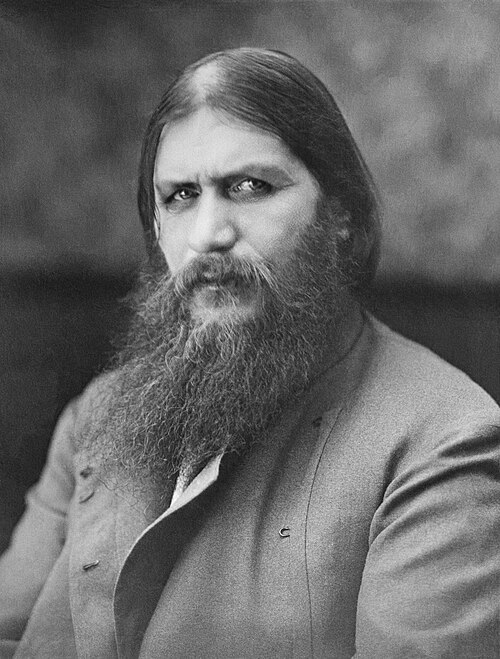
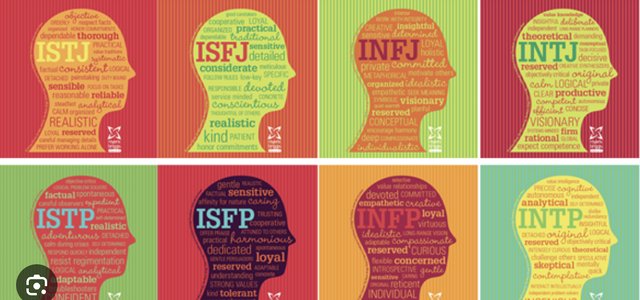
Rasputin’s personality is best understood as an ENFJ, characterized by Extraverted Feeling (Fe) as his dominant function. His primary mode of operation was navigating and manipulating the emotional atmosphere and social dynamics of the Russian court. He possessed an uncanny ability to read people and situations, forging deep, personal bonds (especially with the Tsarina) by offering unwavering emotional support and certainty in times of crisis. This Fe dominance allowed him to become the emotional center for a desperate family, positioning himself as an indispensable pillar of hope and stability.
His auxiliary function, Introverted Intuition (Ni), provided him with a visionary, almost prophetic self-image. He operated from a core of deep, subjective convictions about faith, destiny, and his own divine purpose. His ‘predictions’ and mystical diagnoses were not logical deductions but presented as profound, intuitive truths. This Ni, paired with Fe, enabled him to craft a compelling narrative of a simple, God-touched peasant with unique access to spiritual truths, which he used to guide and influence the highest echelons of power.
The tertiary function, Extraverted Sensing (Se), manifested in his notorious appetites for wine, women, and revelry. This created the central paradox of his character: the spiritual advisor who fully immersed himself in earthly pleasures. This Se usage was impulsive and often reckless, undermining his carefully constructed Fe/Ni image but also contributing to his aura of a raw, untamed ‘holy devil.’ His inferior function, Introverted Thinking (Ti), represents his weakest area. He showed little interest in internal logical consistency, systematic theology, or the complex political structures he was influencing. His advice was personal and intuitive, not analytical, and he famously dismissed the concerns of ministers and politicians, leading to catastrophic political decisions.