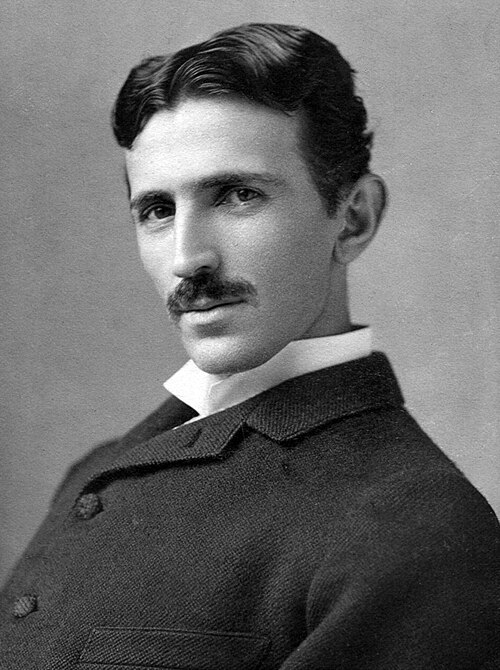
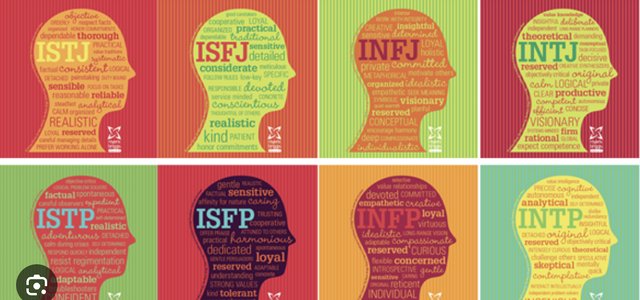
Dr. Hannibal Lecter - INTJ Personality Type

Dr. Hannibal Lecter

INTJ - Architect

Category

Fiction

Nationality

Lithuanian

Occupation

Psychiatrist (former), Serial Killer

About Dr. Hannibal Lecter

Hannibal Lecter is a brilliant forensic psychiatrist and a sophisticated, cultured serial killer and cannibal. He is a central and iconic antagonist in Thomas Harris's novels, most famously in 'The Silence of the Lambs', known for his intellect, psychological manipulation, and gruesome, ritualistic murders.

Personality Profile: INTJ

Confidence: 85%

Personality Analysis

Hannibal Lecter is a quintessential INTJ, driven by a dominant Introverted Intuition (Ni) that gives him profound insight into patterns, systems, and the human psyche. He perceives the world as a chessboard of interconnected motives and weaknesses, allowing him to predict and manipulate human behavior with chilling accuracy. His vision is long-term and symbolic, constructing elaborate, personal philosophies that justify his actions and define his world. His auxiliary function, Extraverted Thinking (Te), provides the ruthless efficiency and logistical precision with which he executes his plans, from evading capture to orchestrating complex murders. This Te manifests as a cold, dispassionate analysis of cause and effect, treating people as variables in a grand equation.

His tertiary Introverted Feeling (Fi) is the source of his highly personalized, unwavering moral code, albeit a horrifically twisted one. He operates on a deep-seated sense of what he deems ‘tasteful’ or ‘rude’, punishing those he finds aesthetically or ethically vulgar with extreme prejudice. This internal value system is rigid and absolute, justifying his cannibalism as a form of ‘consuming the rude’. His inferior Extraverted Sensing (Se) is expressed in his intense appreciation for sensory refinement—gourmet cuisine, classical music, art—and the visceral, theatrical brutality of his kills. This Se is controlled and channeled through his dominant Ni, making his sensory indulgences deliberate performances rather than impulsive acts.

Interpersonally, he is a classic INTJ isolator, viewing most people with detached curiosity or contempt. His interactions are intellectual exercises, seeking stimulation from worthy minds like Clarice Starling, whom he sees as a project for his Ni analysis. Growth areas for a healthy INTJ—developing empathy (inferior Feeling) and engaging with the present reality (inferior Sensing)—are perverted in Lecter. Instead of integrating these functions positively, he has weaponized them, using a facade of charm and aesthetic sensitivity to mask a profound antisocial detachment and a need for total control over his environment and the people in it.


Supporting Evidence

His strategic manipulation of both Clarice Starling and Dr. Frederick Chilton demonstrates his dominant Ni and auxiliary Te, using psychological insights to orchestrate events from his cell. His meticulous planning of escapes and murders, such as his famous ‘census taker’ kill, showcases Te efficiency and Ni foresight. The elaborate, aesthetically presented meals made from his victims reveal the interplay of his refined Se (sensory experience) serving his internal Fi code (punishing the rude). His long, patient conversations with Clarice are Ni-driven exercises in pattern recognition and psychological profiling, not for emotional connection but for intellectual conquest and the satisfaction of solving her ‘puzzle’.

Cognitive Function Stack

Confidence: 85%

The cognitive function stack represents how an individual processes information and makes decisions based on Jungian personality type theory.

Auxiliary Function: Te

Extraverted Thinking - Organizing and structuring the external world logically and efficiently.

Dominant Function: Ni

Introverted Intuition - Perceiving underlying patterns and developing long-range visions.

Inferior Function: Se

Extraverted Sensing - Experiencing and interacting with the immediate environment.

Tertiary Function: Fi

Introverted Feeling - Making decisions based on internal values and personal ethics.

Enneagram Personality Profile:

Confidence: 85%

5w4

Big Five Personality Traits

Confidence: 85%

The Big Five personality traits represent the five broad dimensions of personality that are commonly used to describe human personality.

Openness 0%
Conscientiousness 0%
Extraversion 0%
Agreeableness 0%
Neuroticism 0%

Similar INTJ Characters

Explore other characters with similar personality traits