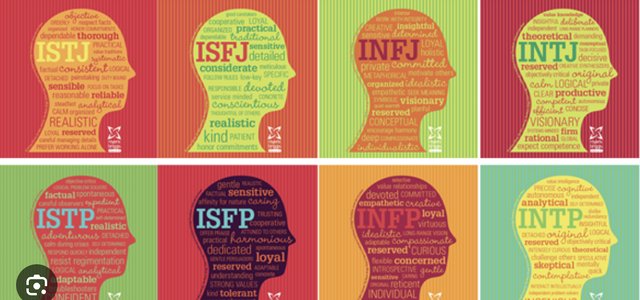
James Dyson exemplifies the INTJ cognitive stack. His dominant Introverted Intuition (Ni) is evident in his visionary approach; he foresaw a better solution to a common problem (bag-based vacuum cleaners) and held a singular, long-term vision of a superior product despite widespread skepticism. He is driven by internal insights and future possibilities rather than present realities. His auxiliary Extraverted Thinking (Te) is the engine of his success, providing the systematic, logical, and often ruthless efficiency to realize his vision. He applied rigorous scientific principles, built thousands of prototypes (a Te-driven iterative process), and structured his company to execute his designs with precision. His decisions are based on empirical data and logical efficacy, not tradition or sentiment. The tertiary Introverted Feeling (Fi) manifests in his strong personal conviction and values. He persevered for years based on a deeply held belief in his idea’s merit and a disdain for inferior, compromise-driven design. This internal value system fuels his famous stubbornness. His inferior Extraverted Sensing (Se) appears in his hands-on involvement with prototypes and the tangible, aesthetic quality of the final products, but it is subordinate to his Ni-Te drive; he works to master the physical world to serve his abstract vision. Interpersonally, he is often seen as aloof, private, and demanding, typical of an INTJ focused on systems and ideas over social harmony.