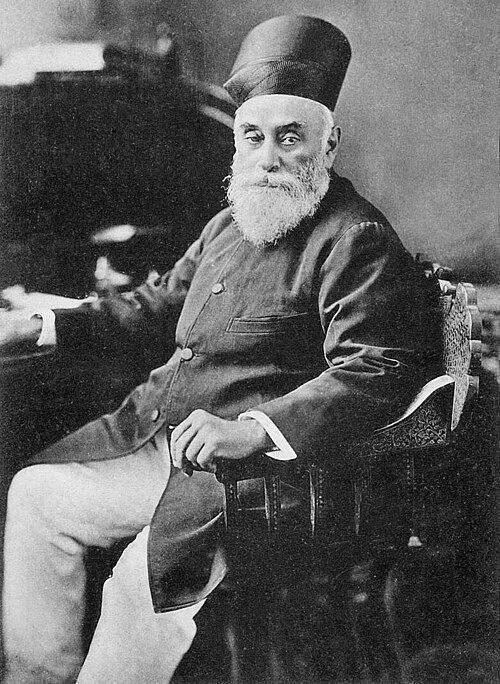
Jamsetji Tata exemplifies the INTJ personality type, driven by a powerful dominant Introverted Intuition (Ni). This function allowed him to foresee the future needs of a nation and envision industrial and institutional projects decades before their time. His life’s work was the realization of these ‘impossible’ visions—a modern steel plant, a world-class educational institute, a hydroelectric power project—all conceived as integrated parts of a future, self-reliant India. His focus was not on immediate profit but on creating enduring, transformative systems.
His auxiliary function, Extraverted Thinking (Te), provided the strategic, logical framework to execute these visions. He meticulously researched global best practices, hired the best international experts, and planned with relentless practicality. However, his Te was always in service of his Ni vision, not mere efficiency for its own sake. His tertiary Introverted Feeling (Fi) manifested as a deeply held, personal value system centered on integrity, nationalism, and human welfare. This created the famous Tata ethos of ethical business and philanthropy, where profit was a means to a larger social good, not an end in itself.
As an INTJ, he was a private, reserved figure (low Extraversion), who led through the power of his ideas and the respect he commanded, not through charismatic oratory. His inferior Extraverted Sensing (Se) might explain his initial attraction to tangible industries like textiles and steel, and his appreciation for quality and concrete results. His growth likely involved learning to navigate the sensory and political realities of his time to bring his abstract visions to life. The 1w9 Enneagram aligns perfectly, combining the reformer’s drive to build a better, more just world (Type 1) with the peacemaker’s desire for harmony and long-term, systemic stability (wing 9).