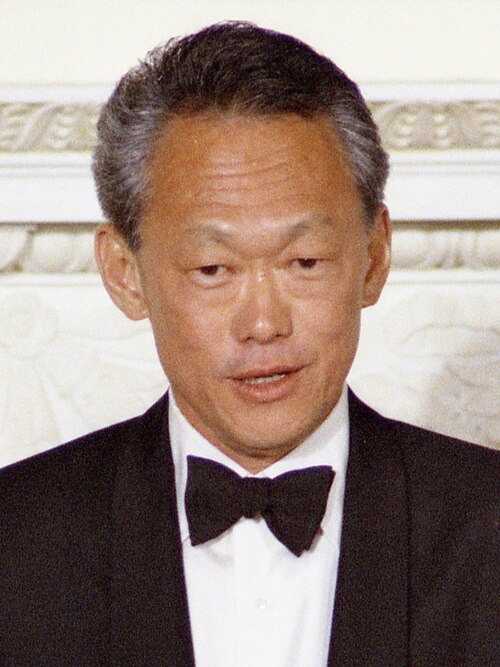
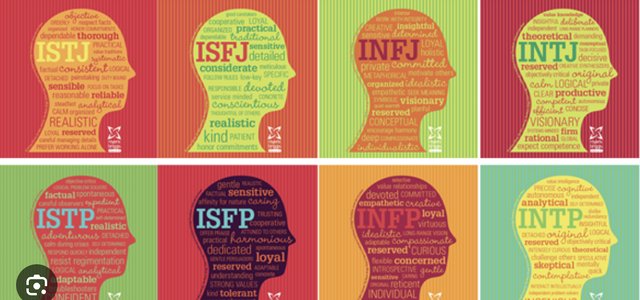
Lee Kuan Yew exemplifies the INTJ archetype, driven by a dominant Introverted Intuition (Ni). This function gave him a powerful, singular vision for Singapore’s future—a clean, efficient, corruption-free ‘first-world oasis in a third-world region.’ He foresaw trends and geopolitical shifts decades in advance, building his policies around this long-term strategic blueprint. His auxiliary function, Extraverted Thinking (Te), was the engine for executing this vision. He valued efficiency, rationality, and results above all else, creating systems (like the CPF, EDB, and strict legal codes) designed to produce specific, measurable outcomes for national survival and prosperity. His decision-making was ruthlessly pragmatic, famously dismissing Western liberal democracy as unsuitable for Singapore’s context in favor of ‘what works.’
Interpersonally, Lee’s tertiary Introverted Feeling (Fi) manifested as a deep, privately held set of convictions about meritocracy, multiracialism, and the fragility of his nation. While he often presented as coldly rational, his fierce, almost paternalistic devotion to Singapore’s success was fueled by this internal value system. His inferior Extraverted Sensing (Se) appeared in his meticulous attention to the sensory details of the city-state—its cleanliness, greenery, and order—and in occasional displays of impatience with inefficiency or disorder. He could be remarkably persuasive in debate, using sharp, concrete facts (a Te/Se interplay) to dismantle opponents.
As an INTJ, his growth areas and shadows are also evident. His low scores on agreeableness in the Big Five and his Te-Fi axis could make him appear arrogant, dismissive of dissenting views, and inflexible. The INTJ’s tendency to trust their own Ni vision led to a top-down, ‘father-knows-best’ governance style that brooked little opposition, justifying authoritarian measures for the ‘greater good’ of his systemic vision. His legacy is thus a complex tapestry of monumental achievement and contested methods, perfectly mirroring the strengths and potential blind spots of the INTJ type.