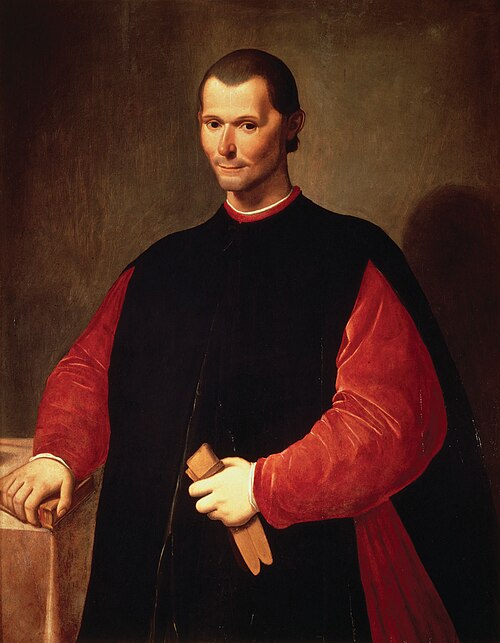
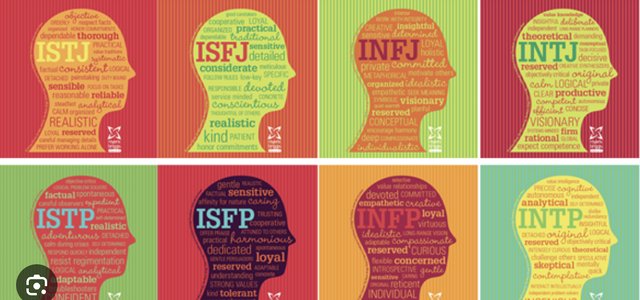
Machiavelli exemplifies the INTJ personality type through his dominant Introverted Intuition (Ni). This function allowed him to synthesize vast amounts of historical and contemporary political data into a coherent, predictive model of power. He was not merely describing events; he was discerning the underlying, timeless patterns of human behavior and statecraft, culminating in the strategic archetypes presented in ‘The Prince’ and ‘Discourses on Livy.’ His auxiliary Extraverted Thinking (Te) is evident in his ruthless pragmatism and logical methodology. He valued what worked in reality over idealistic theories, advocating for decisive action, efficient governance, and the calculated use of force and deception. His writing is direct, systematic, and focused on achieving measurable outcomes, hallmarks of Te. His tertiary Introverted Feeling (Fi) is expressed in his deeply personal, though internally concealed, value system. While often perceived as amoral, his work reveals a fierce, private patriotism for a unified and stable Italy. His disdain for ineffectual leaders and his admiration for decisive ones like Cesare Borgia stem from an internal framework of values centered on competence and strength. His inferior Extraverted Sensing (Se) manifests in his occasional focus on the immediate, sensory impact of a ruler’s actions—the need to appear formidable, to stage spectacles of cruelty or generosity, and to manage public perception in the here and now, though always in service of his long-term Ni vision.