Michael Jordan - ENTJ  Personality Type

Michael Jordan

ENTJ

Category

Sports

Nationality

American

Occupation

professional basketball player

About Michael Jordan

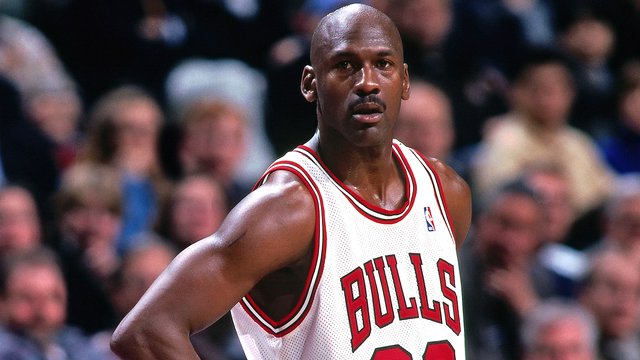
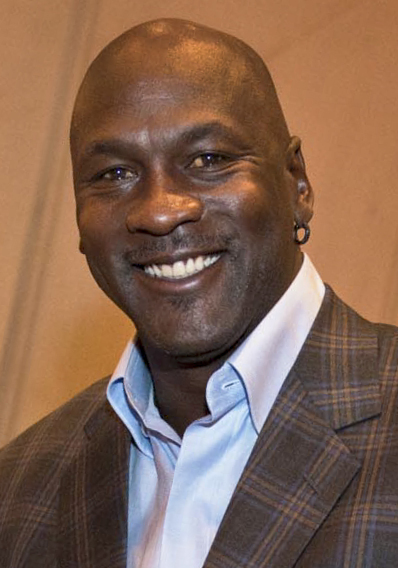
Michael Jeffrey Jordan (born February 17, 1963), also known by his initials MJ,[9] is an American businessman and former professional basketball player, who is currently a minority owner of the Charlotte Hornets of the National Basketball Association. He played 15 seasons in the National Basketball Association (NBA) between 1984 and 2003, winning six NBA championships with the Chicago Bulls. He was integral in popularizing basketball and the NBA around the world in the 1980s and 1990s,[10] becoming a global cultural icon.[11]


Personality Profile: ENTJ

Confidence: 90%

Personality Analysis


Detailed Analysis

1. MBTI Type Assessment

  • Extraversion (E): Jordan thrived in competitive, high-energy environments, demonstrating charisma and a commanding presence. His leadership on and off the court, along with his public persona, reflects strong extraversion.
  • Intuition (N): He had a strategic, big-picture mindset, anticipating opponents’ moves and innovating in basketball (e.g., his mid-air adjustments and clutch plays).
  • Thinking (T): Jordan was ruthlessly competitive, prioritizing logic over emotions (e.g., his famous “I took it personally” mentality).
  • Judging (J): His disciplined training regimen, goal-oriented mindset, and structured approach to winning (e.g., six NBA titles) highlight strong judging traits.

2. Cognitive Function Stack

  • Dominant: Extraverted Thinking (Te) – Efficient, results-driven leadership (e.g., demanding excellence from teammates, business ventures like Nike’s Air Jordan).
  • Auxiliary: Introverted Intuition (Ni) – Long-term vision (e.g., transitioning from player to owner, predicting opponents’ strategies).
  • Tertiary: Extraverted Sensing (Se) – Hyper-awareness in the moment (e.g., clutch performances, athletic reflexes).
  • Inferior: Introverted Feeling (Fi) – Rarely displayed vulnerability but showed deep personal pride (e.g., his Hall of Fame speech revealed emotional intensity).

3. Key Personality Traits

  1. Competitive Drive – Relentless pursuit of victory (e.g., “flu game,” trash-talking).
  2. Strategic Mindset – Mastery of game tactics and business decisions (e.g., branding, ownership).
  3. Charismatic Leadership – Inspired teammates and global audiences (e.g., “Dream Team” dominance).
  4. Discipline & Work Ethic – Rigorous training routines (e.g., legendary practice stories).
  5. Confidence (Bordering on Arrogance) – Unshakable self-belief (e.g., “Republicans buy sneakers too” quote).

4. Behavioral Pattern Analysis

  • Goal-Oriented Action: Structured approach to success (e.g., breaking records, retiring twice to pursue other goals).
  • Dominance in Conflict: Confrontational when challenged (e.g., feuds with Isiah Thomas, Karl Malone).
  • Adaptability: Thrived under pressure (e.g., game-winning shots, baseball interlude).

5. Enneagram Type Analysis

  • Type 3 (The Achiever): Obsession with excellence, image-conscious (e.g., “Air Jordan” brand).
  • Wing 4 (Individualist): Unique flair (e.g., iconic tongue-out dunks, emotional intensity).

6. Big Five Traits Analysis

  • Openness (O:80): Innovative playstyle, entrepreneurial ventures.
  • Conscientiousness (C:90): Extreme discipline, meticulous preparation.
  • Extraversion (E:85): Charismatic, thrives in spotlight.
  • Agreeableness (A:50): Competitive edge overrides diplomacy (e.g., harsh criticism of teammates).
  • Neuroticism (N:30): High resilience (e.g., bouncing back from failures like early playoff losses).

Supporting Evidence

  • Te Dominance: Forced Bulls management to build a contender; demanded trades (e.g., Scottie Pippen).
  • Ni Vision: Predicted his legacy early (“I want to be the best ever”).
  • Se Reflexes: Iconary game-winning shots (e.g., 1998 Finals).
  • Type 3 Drive: Retired at peak to avoid decline, pursued baseball to prove himself anew.
  • Low Agreeableness: Infamous for belittling teammates (e.g., Kwame Brown incident).

Supporting Evidence

Jordan’s ENTJ 3w4 profile aligns with his legacy: a dominant, strategic achiever who reshaped sports and culture through sheer willpower.

Cognitive Function Stack

Confidence: 90%

The cognitive function stack represents how an individual processes information and makes decisions based on Jungian personality type theory.

Auxiliary Function: In

Introverted Function - Focusing on and drawing energy from internal thoughts, feelings, and reflections.

Dominant Function: Ex

Extraverted Function - Focusing on and drawing energy from the external world, people, and activities.

Inferior Function: In

Introverted Function - Focusing on and drawing energy from internal thoughts, feelings, and reflections.

Tertiary Function: Ex

Extraverted Function - Focusing on and drawing energy from the external world, people, and activities.

Enneagram Personality Profile:

Confidence: 90%

3w4 (The Achiever with a Individualist Wing)

Big Five Personality Traits

Confidence: 90%

The Big Five personality traits represent the five broad dimensions of personality that are commonly used to describe human personality.

Openness 0%
Conscientiousness 0%
Extraversion 0%
Agreeableness 0%
Neuroticism 0%

Similar ENTJ Characters

Explore other characters with similar personality traits

Related Articles

Articles featuring Michael Jordan or related personality topics

Exploring the MBTI Personality Types of Basketball Legends

Exploring the MBTI Personality Types of Basketball Legends

This article delves into the MBTI personality types of five of the most iconic basketball players in history: Michael Jordan, LeBron James, Kobe Bryant, Shaquille O'Neal, and Tim Duncan. By exploring their personality traits through the MBTI framework, we gain insight into their unique approaches to the game, leadership styles, and off-court influence. From Jordan's competitive edge to LeBron's charismatic leadership, this article highlights how their personalities contributed to their success on and off the court.

Career & Professional Development
MBTI & Career Success: Why Personality Type Matters More Than Societal Pressures (Like Dowry Debates)

MBTI & Career Success: Why Personality Type Matters More Than Societal Pressures (Like Dowry Debates)

Discover how understanding your MBTI personality type can empower you to break free from societal expectations—including financial pressures like dowries—and align your career and life choices with your true self.

MBTI Insights
Unlocking the xNTJ Mind: Why ENTJs and INTJs Don’t Follow the Crowd (And Why That’s Their Superpower)

Unlocking the xNTJ Mind: Why ENTJs and INTJs Don’t Follow the Crowd (And Why That’s Their Superpower)

Discover why ENTJs and INTJs defy social norms, challenge flawed systems, and prioritize logic over loyalty. Learn how their unique personality traits make them natural leaders and innovators.

MBTI Insights
Is Nancy Pelosi the Perfectly Evolved ENTJ?

Is Nancy Pelosi the Perfectly Evolved ENTJ?

Explore how Nancy Pelosi's ENTJ personality shaped her rise to power in U.S. politics. From becoming the first female Speaker of the House to her strategic leadership, learn how her personality traits influenced her career success and legacy.

Career & Professional Development