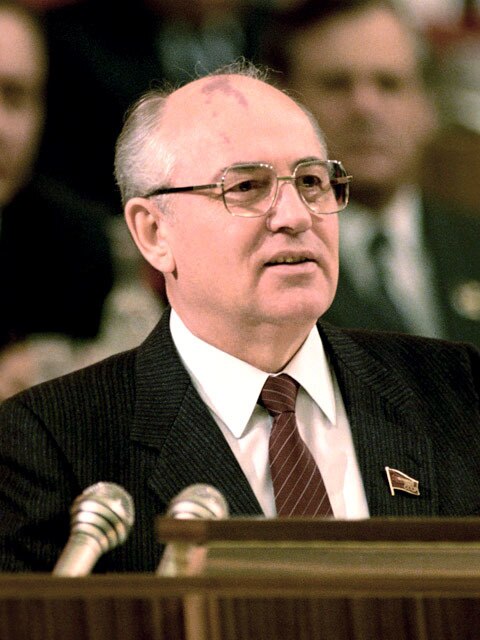
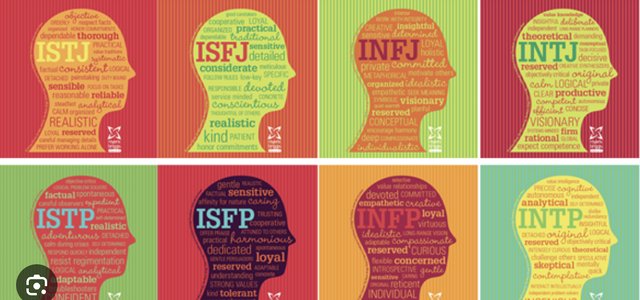
Mikhail Gorbachev is a quintessential ENFJ (The Protagonist), driven by a dominant Extraverted Feeling (Fe) function. His leadership was characterized by a profound concern for the collective well-being of the Soviet people and global humanity. He sought harmony and moral improvement, aiming to create a more open, just, and peaceful world. This is evident in his core policies and his relentless diplomatic outreach, all guided by a strong set of ethical principles aligned with his Enneagram 1w9’s desire for reform and peace.
His auxiliary Introverted Intuition (Ni) provided him with a long-term, visionary outlook. He foresaw that the Soviet system was unsustainable and envisioned a transformed society integrated into the global community. This Ni-Fe combination allowed him to articulate a compelling, hopeful future (‘a common European home’) and persuade others to follow his lead, even when the path was unclear. He was less interested in the rigid, internal logical consistency (inferior Introverted Thinking - Ti) of Marxist-Leninist dogma than in the practical and ethical outcomes of his policies.
Gorbachev’s tertiary Extraverted Sensing (Se) manifested in his adaptability and his keen awareness of the present political reality. He was a master of the grand gesture—allowing the Berlin Wall to fall, signing landmark arms treaties—that signaled dramatic change. However, his inferior Ti and lower Conscientiousness in the Big Five (relative to his high Openness) contributed to a critical weakness: a lack of detailed, systematic planning for the economic and political consequences of his reforms. His focus on the idealistic vision and consensus-building sometimes came at the expense of controlling the implementation, leading to unintended systemic collapse.