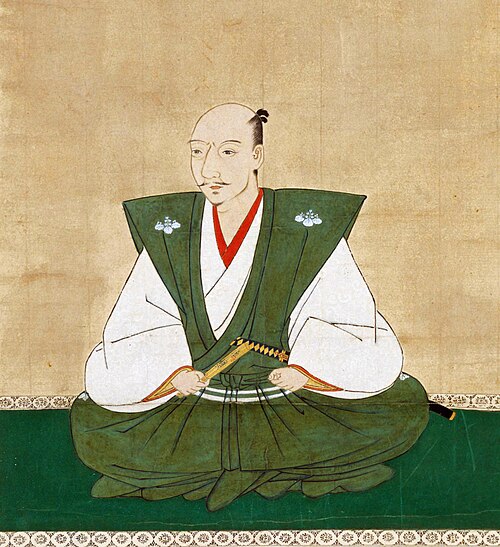
Oda Nobunaga - ENTJ Personality Type

Oda Nobunaga

ENTJ - Commander

Category

History

Nationality

Japanese

Occupation

Feudal Lord (Daimyo), Military Commander

About Oda Nobunaga

Oda Nobunaga was a powerful and infamous feudal lord (daimyo) in 16th-century Japan, a pivotal figure in the Sengoku period. He is known for his ruthless military campaigns, innovative use of firearms, and political cunning, which began the process of unifying Japan after a century of civil war. His ambition and brutal methods earned him the nickname "The Demon King."

Personality Profile: ENTJ

Confidence: 85%

Personality Analysis

Oda Nobunaga is a quintessential ENTJ (The Commander), driven by Extraverted Thinking (Te) as his dominant function. This manifests in his relentless focus on efficiency, results, and strategic organization. He was a master logistician and tactician who reorganized his military, standardized weapons, and implemented systems (like the Rakuichi Rakuza free market policies) to strengthen his domain’s economy and war-making capacity. His leadership style was direct, demanding, and often merciless, valuing competence and loyalty above all else, with little patience for sentiment or traditional hierarchy that stood in his way. His auxiliary Introverted Intuition (Ni) provided the visionary, long-term goal: the unification of Japan. He saw patterns and possibilities others missed, such as the potential of firearms (matchlock guns) to revolutionize warfare, famously demonstrated at the Battle of Nagashino. This Ni-Te combination allowed him to conceptualize a new political order and then use sheer force of will and organization to impose it. His tertiary Extraverted Sensing (Se) gave him a flair for the dramatic and an acute awareness of the immediate physical and social environment. He used bold displays of power and intimidation, such as building the grandiose Azuchi Castle or parading the skulls of defeated enemies. This Se also contributed to his ability to act swiftly and decisively in the moment. His inferior Introverted Feeling (Fi) represents his primary growth challenge and area of vulnerability. Nobunaga often struggled with personal empathy and valuing internal emotions—his own or others’. His infamous brutality (like the massacre of Mount Hiei) and betrayal of allies stem from a worldview where ends justify means, and personal bonds are secondary to strategic necessity. This lack of developed Fi could lead to a blind spot regarding the deep-seated loyalties and resentments of those around him, ultimately contributing to his betrayal and death.

Supporting Evidence

His revolutionary use of rotating volley fire at the Battle of Nagashino demonstrates Te-Ni: analyzing a new technology’s potential and systematically implementing a novel tactic for maximum efficiency. The enforcement of free markets (Rakuichi Rakuza) shows his Te-driven desire to break inefficient feudal systems and boost economic output. His ruthless suppression of the Ikko-ikki Buddhist rebels, including the destruction of entire temple complexes, reveals a Te-Fi imbalance, where strategic elimination of a threat overrides any moral or traditional restraint. His ambitious, decade-long campaign to centralize power under his rule, often against overwhelming odds, reflects his dominant Ni vision and Te execution. Finally, his perceived arrogance and disregard for courtly etiquette (Se flair and low Fi concern for social harmony) alienated traditionalists and fueled conspiracies against him.

Cognitive Function Stack

Confidence: 85%

The cognitive function stack represents how an individual processes information and makes decisions based on Jungian personality type theory.

Auxiliary Function: Ni

Introverted Intuition - Perceiving underlying patterns and developing long-range visions.

Dominant Function: Te

Extraverted Thinking - Organizing and structuring the external world logically and efficiently.

Inferior Function: Fi

Introverted Feeling - Making decisions based on internal values and personal ethics.

Tertiary Function: Se

Extraverted Sensing - Experiencing and interacting with the immediate environment.

Enneagram Personality Profile:

Confidence: 85%

8w7

Big Five Personality Traits

Confidence: 85%

The Big Five personality traits represent the five broad dimensions of personality that are commonly used to describe human personality.

Openness 0%
Conscientiousness 0%
Extraversion 0%
Agreeableness 0%
Neuroticism 0%

Similar ENTJ Characters

Explore other characters with similar personality traits