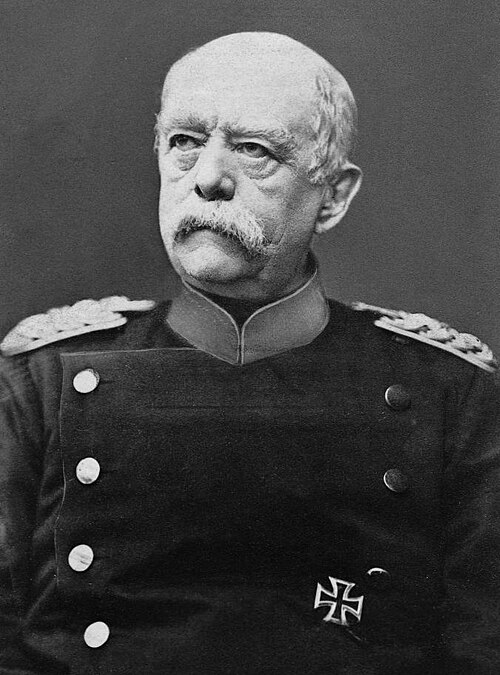
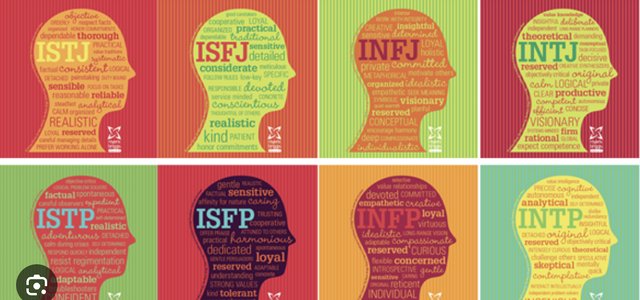
Bismarck exemplifies the INTJ archetype through his dominant Introverted Intuition (Ni), which gave him a singular, long-term vision of a unified Germany under Prussian hegemony. He did not chase abstract ideals but a concrete, pre-visualized geopolitical outcome. His decision-making was governed by his auxiliary Extraverted Thinking (Te), manifesting as a ruthless, pragmatic, and effective execution of his plans. He famously operated on ‘Realpolitik’—the politics of reality—where any means (diplomatic trickery, strategic wars, alliances) were justified by the ultimate end. This Te also made him a formidable administrator and a master of bureaucratic leverage. Interpersonally, Bismarck was domineering, intimidating, and often isolated, reflecting lower Feeling and high Thinking. His tertiary Introverted Feeling (Fi) provided an ironclad internal code of duty to the Prussian state and monarchy, which fueled his resolve but could manifest as stubbornness and personal vendettas against those he deemed disloyal. His inferior Extraverted Sensing (Se) emerged in occasional bouts of impulsive aggression, hypochondria, and a taste for dramatic, forceful displays (like his ‘Blood and Iron’ speech) to shock his opponents into compliance, though he generally preferred careful planning over raw action.