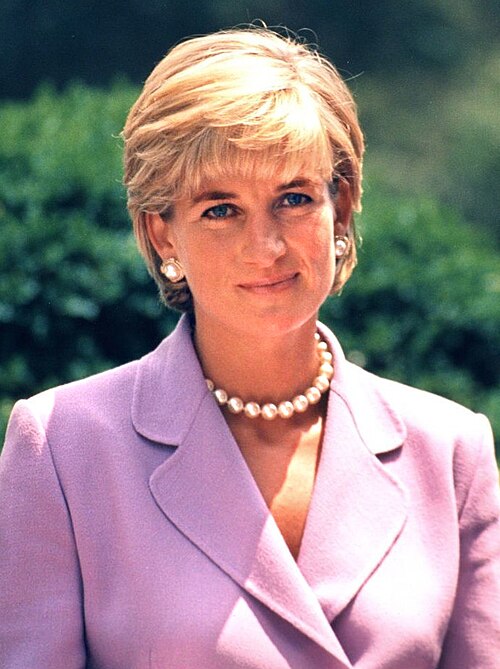
Princess Diana is a quintessential ENFJ, the ‘Protagonist’ or ‘Mentor.’ Her dominant Extraverted Feeling (Fe) drove her entire public persona. She was exquisitely attuned to the emotional atmosphere of a room and the needs of the collective, which she prioritized above rigid protocol. This function manifested in her famous tactile empathy—hugging AIDS patients or sitting with the sick—actions that communicated compassion more powerfully than words and broke social stigmas. Her Fe sought harmony and connection, making her the ‘People’s Princess’ who made individuals feel seen and valued.
Her auxiliary Introverted Intuition (Ni) provided the visionary depth behind her Fe. Diana didn’t just perform charity; she intuitively identified systemic issues and future-oriented causes that were overlooked or controversial, such as landmines and mental health. Her Ni gave her a strategic, almost prophetic, understanding of her role’s potential to reshape the monarchy’s image and public discourse on humanitarian issues. This function-fueled her famous statement about wanting to be a ‘queen of people’s hearts,’ a deeply symbolic and future-focused goal.
Her tertiary Extraverted Sensing (Se) supported her Fe’s mission with a compelling, immediate presence. She was a master of visual communication—her fashion choices, her physical demeanor in photographs, and her spontaneous, action-oriented engagements (like walking through a minefield). This Se gave her a glamorous, in-the-moment appeal that captivated the media and public. Her inferior Introverted Thinking (Ti) represented a growth area and a source of stress. She often struggled with systematizing her own internal logic, particularly in her personal life, leading to bouts of self-doubt, a sense of being misunderstood on a factual level, and difficulty in establishing firm personal boundaries against a tidal wave of external demands and feelings.