Ying Zheng (Qin Shi Huang) - INTJ Personality Type

Ying Zheng (Qin Shi Huang)

INTJ - Architect

Category

History

Nationality

Chinese (Ancient Qin State)

Occupation

Emperor

About Ying Zheng (Qin Shi Huang)

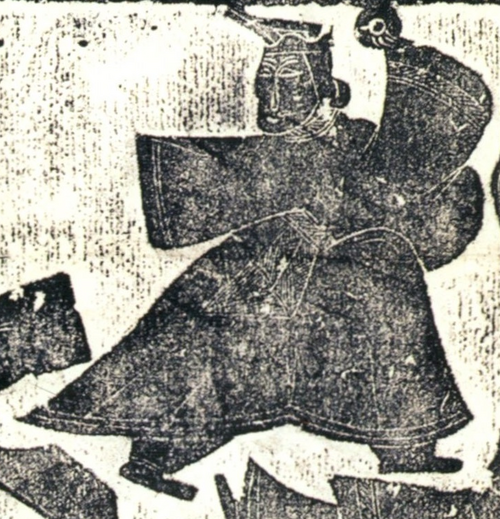
Qin Shi Huang was the first emperor of a unified China, founding the Qin Dynasty in 221 BCE. He is known for monumental, centralized projects like the Terracotta Army and the initial construction of the Great Wall, as well as for standardizing Chinese script, currency, and measurements. His reign was characterized by absolute power, strict Legalist philosophy, and a ruthless drive for immortality and control.

Personality Profile: INTJ

Confidence: 85%

Personality Analysis

Qin Shi Huang exhibits the hallmark INTJ cognitive stack of dominant Introverted Intuition (Ni) and auxiliary Extraverted Thinking (Te). His Ni is evident in his singular, decades-long vision of a unified, standardized empire—a grand, abstract future state he pursued with unwavering focus. This was not an incremental improvement but a radical re-imagining of Chinese civilization. His Te auxiliary function drove the implementation of this vision through ruthlessly efficient and systematic means: the standardization of laws, writing, and axle widths, and the use of massive state projects and military force to realize his conceptual blueprint. He valued systems and results over personal relationships or tradition.

His tertiary Introverted Feeling (Fi) manifested in a strong, internalized value system centered on his own legacy, destiny, and the supremacy of the Qin state. This was not empathetic but deeply personal, fueling his paranoia and his obsessive quests for immortality. His inferior Extraverted Sensing (Se) is seen in his occasional bouts of sensory indulgence and impulsivity—the lavish tomb complex, the Terracotta Army as a physical monument to power, and his frantic searches for elixirs of life, which represent a desperate, poorly integrated grasp at tangible, eternal existence.

Interpersonally, he was a classic INTJ strategist who trusted systems over people, leading to isolation and suspicion. He eliminated rival schools of thought (like Confucianism) not merely out of cruelty, but because they represented competing conceptual systems that threatened his unified Ni vision. His decision-making was autocratic, data-driven (within his Legalist framework), and devoid of sentiment, viewing human costs as necessary for historical progress. A growth area for such a personality would involve integrating a healthier Se—appreciating present reality and the needs of his subjects—and developing empathy, but his entrenched power and paranoia prevented this.

Supporting Evidence

His life’s work of unifying warring states into a single centralized empire under a uniform legal and bureaucratic system demonstrates dominant Ni/Te. The construction of the Great Wall and national road networks were strategic, long-term projects for control and defense, reflecting systematic Te execution of an Ni vision. His infamous ‘burning of books and burying of scholars’ was a Te-Fi action to eliminate ideological threats (competing philosophies) to his unified state doctrine, showing ruthless pragmatism and internal conviction. The elaborate Terracotta Army and his tomb complex reveal an inferior Se preoccupation with a tangible, everlasting legacy and a sensory display of power in the afterlife. His constant fear of assassination and the labyrinthine design of his palace and nightly sleeping arrangements underscore the paranoia and isolation common to an INTJ under extreme stress.

Cognitive Function Stack

Confidence: 85%

The cognitive function stack represents how an individual processes information and makes decisions based on Jungian personality type theory.

Auxiliary Function: Te

Extraverted Thinking - Organizing and structuring the external world logically and efficiently.

Dominant Function: Ni

Introverted Intuition - Perceiving underlying patterns and developing long-range visions.

Inferior Function: Se

Extraverted Sensing - Experiencing and interacting with the immediate environment.

Tertiary Function: Fi

Introverted Feeling - Making decisions based on internal values and personal ethics.

Enneagram Personality Profile:

Confidence: 85%

8w7

Big Five Personality Traits

Confidence: 85%

The Big Five personality traits represent the five broad dimensions of personality that are commonly used to describe human personality.

Openness 0%
Conscientiousness 0%
Extraversion 0%
Agreeableness 0%
Neuroticism 0%

Similar INTJ Characters

Explore other characters with similar personality traits