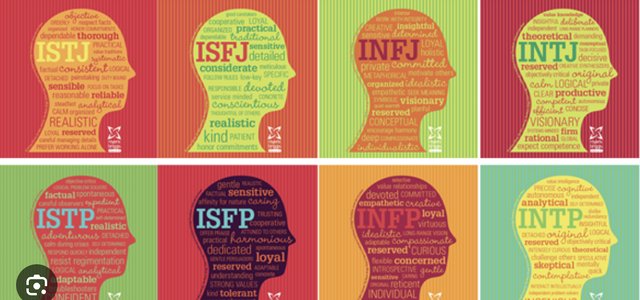
Richard Matthew Stallman - INTJ Personality Type

Richard Matthew Stallman

INTJ - Architect

Category

Technology

Nationality

United States of America

Occupation

Software Developer, Activist

About Richard Matthew Stallman

Richard Stallman is a pioneering American programmer and free software activist. He is best known for founding the GNU Project in 1983, which aimed to create a complete Unix-like operating system composed entirely of free software. His work led to the creation of the GNU General Public License (GPL) and the Free Software Foundation, establishing the philosophical and legal foundations of the modern free and open-source software movement.

Personality Profile: INTJ

Confidence: 85%

Personality Analysis

Richard Stallman is a prototypical INTJ, driven by a powerful internal vision (Introverted Intuition - Ni). His life’s work, the GNU Project and the free software philosophy, represents a grand, systemic vision for a world where software respects user freedom. He did not merely seek to fix existing software but to architect an entirely new, ethically consistent reality for computing, a hallmark of Ni’s future-oriented, pattern-seeking nature. His auxiliary function, Extraverted Thinking (Te), provides the formidable logical structure and instrumental drive to execute this vision. Stallman is ruthlessly logical in his arguments, developing comprehensive legal frameworks like the GPL to enforce his principles in the practical world. He values competence, efficiency in achieving his goals, and clear, objective reasoning, often dismissing arguments he deems illogical or compromised.

His tertiary Introverted Feeling (Fi) is the source of his deeply held, non-negotiable personal ethics. His crusade is not just an intellectual exercise but a moral imperative. This strong Fi, coupled with inferior Extraverted Sensing (Se), explains his notorious disregard for social niceties, personal appearance, and conventional behavior. He is focused on the internal world of ideas and principles (Ni-Fi), not the external sensory environment. This can manifest as social awkwardness, bluntness, and a lack of concern for how his actions or words affect others on an interpersonal level, as he prioritizes ideological purity over social harmony.

His growth areas, typical for an INTJ, involve integrating his inferior Se and developing his Feeling function. A more developed Se would allow him to be more present and attuned to the immediate reactions of others, potentially making his vital message more palatable and effective. Greater development of Feeling, while unlikely to compromise his core principles, could foster a more empathetic communication style that builds broader coalitions. His legacy is a testament to the world-changing power of a determined INTJ vision, yet also illustrates the interpersonal friction that can arise from such singular focus.


Supporting Evidence

The founding of the GNU Project itself is a quintessential Ni vision: seeing a potential future of proprietary software dominance and creating a multi-decade plan to build a complete free alternative from scratch. His creation of the GPL demonstrates Te’s need for a robust, logical, and enforceable system to realize the Ni ideal. His famous personal habits—such as eating food from his foot, his disheveled appearance, and his refusal to use a cell phone or non-free websites—show a profound neglect of Se and social convention in service of his Fi principles. His confrontational and uncompromising style in debates, famously labeling non-free software as ‘malware’ and criticizing open source for neglecting freedom, showcases Te bluntness fueled by Fi conviction. His decades-long, singular focus on this cause, despite immense industry pressure and changing trends, reveals the stubborn, long-term perseverance of a dominant Ni supported by Te execution.

Cognitive Function Stack

Confidence: 85%

The cognitive function stack represents how an individual processes information and makes decisions based on Jungian personality type theory.

Auxiliary Function: Te

Extraverted Thinking - Organizing and structuring the external world logically and efficiently.

Dominant Function: Ni

Introverted Intuition - Perceiving underlying patterns and developing long-range visions.

Inferior Function: Se

Extraverted Sensing - Experiencing and interacting with the immediate environment.

Tertiary Function: Fi

Introverted Feeling - Making decisions based on internal values and personal ethics.

Enneagram Personality Profile:

Confidence: 85%

5w4

Big Five Personality Traits

Confidence: 85%

The Big Five personality traits represent the five broad dimensions of personality that are commonly used to describe human personality.

Openness 0%
Conscientiousness 0%
Extraversion 0%
Agreeableness 0%
Neuroticism 0%

Similar INTJ Characters

Explore other characters with similar personality traits