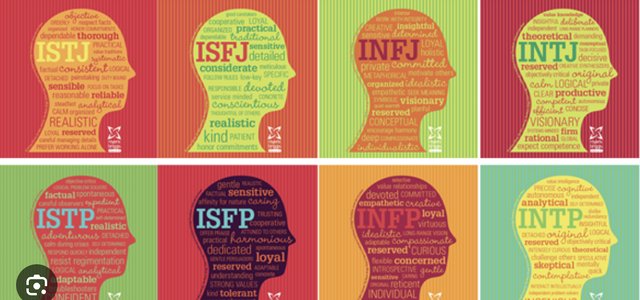
Ruth Bader Ginsburg exemplifies the INTJ personality type, driven by a visionary internal framework (Introverted Intuition - Ni) for a more just and equitable society. Her dominant Ni allowed her to see the systemic patterns of gender discrimination and conceptualize long-term legal strategies to dismantle them. She was not an impulsive revolutionary; instead, she carefully selected specific, winnable cases to establish precedents that would incrementally reshape the legal landscape, a classic Ni-Te approach of building a grand vision through logical, sequential steps. Her auxiliary Extraverted Thinking (Te) was evident in her precise, airtight legal reasoning, her formidable work ethic, and her ability to marshal facts and logic into compelling arguments, both in her written opinions and her legendary oral arguments before the Court. She valued efficiency and intellectual rigor, expecting the same from her clerks and colleagues. Ginsburg’s tertiary Introverted Feeling (Fi) provided the deep-seated, personal conviction that fueled her mission. Her commitment to equality was not just an intellectual exercise but a core value rooted in her own experiences with discrimination. This Fi, aligned with her 1w9 Enneagram, gave her a quiet but unshakeable moral compass. Her inferior Extraverted Sensing (Se) manifested in her noted appreciation for opera (an immersive sensory experience), her meticulous attention to her appearance and the iconic collars she wore, and, in times of stress, a potential for stubbornness or difficulty relaxing outside her intense work focus.