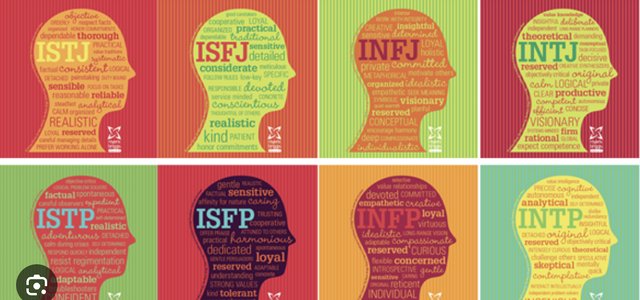
Saladin exhibits the classic INTJ cognitive stack. His dominant Introverted Intuition (Ni) is evident in his grand, visionary strategy to unite the Muslim world under a single cause against the Crusader states. He was not a reactive leader but one who patiently built a long-term plan, seeing the interconnected political and military landscape far ahead of his contemporaries. This forward-thinking, pattern-recognizing function drove his life’s work of consolidation and holy war. His auxiliary Extraverted Thinking (Te) provided the efficient, pragmatic execution of his Ni visions. He was a masterful organizer of armies, logistics, and political alliances, using clear, objective systems to achieve his goals. His decision-making was logical and decisive, focused on optimal outcomes rather than personal glory or immediate emotional reactions. This Te-Ni combination made him a formidable and calculating strategist. His tertiary Introverted Feeling (Fi) is seen in his strong personal code of ethics, which was unusual for the era. His famed chivalry, mercy towards defeated foes (like his treatment of Jerusalem’s inhabitants), and personal austerity were driven by deep internal values, not just political calculation. His inferior Extraverted Sensing (Se) manifested in occasional moments of intense, present-focused action—such as his bold and risky military maneuvers at the Battle of Hattin—but was generally kept in check by his dominant strategic mind. Under extreme stress, he could become overly focused on sensory details or indulge in rare displays of impulsivity, but these were exceptions to his normally controlled demeanor.