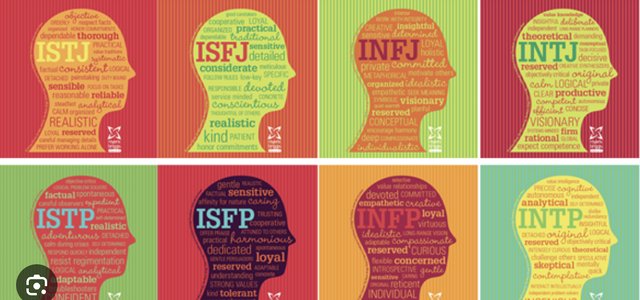
Simone de Beauvoir exemplifies the INTJ personality type, driven by a dominant Introverted Intuition (Ni). This function manifests in her ability to perceive underlying patterns and systems—most notably the patriarchal structure of society—and synthesize a vast array of historical, biological, and literary data into a cohesive, visionary thesis in “The Second Sex.” Her thinking is characterized by future-oriented, theoretical frameworks that seek to explain and ultimately transform the human condition.
Her auxiliary Extraverted Thinking (Te) provided the disciplined, logical structure for her Ni visions. She approached philosophy and writing with rigorous analysis and a relentless drive for intellectual clarity and effectiveness. This Te function allowed her to organize complex ideas into persuasive arguments and to live a life governed by self-determined principles rather than societal expectations, as seen in her famous ‘pact’ with Sartre. Her decision-making was logical, strategic, and aimed at long-term intellectual and ethical goals.
Interpersonally, de Beauvoir maintained a small circle of intense intellectual relationships, most centrally with Sartre, which served as a primary forum for testing and refining ideas. While deeply passionate in her private life, her tertiary Introverted Feeling (Fi) anchored her to a strong, internal value system centered on authenticity, freedom, and personal commitment, which she defended fiercely. Her inferior Extraverted Sensing (Se) sometimes appeared as a disregard for conventional appearances and material comforts in favor of the life of the mind, though she also exhibited a vivid appreciation for travel and sensory experience in her memoirs.