Thomas Edward Lawrence - INTJ Personality Type

Thomas Edward Lawrence

INTJ - Architect

Category

History

Nationality

British

Occupation

Archaeologist, Military Officer, Diplomat, Writer

About Thomas Edward Lawrence

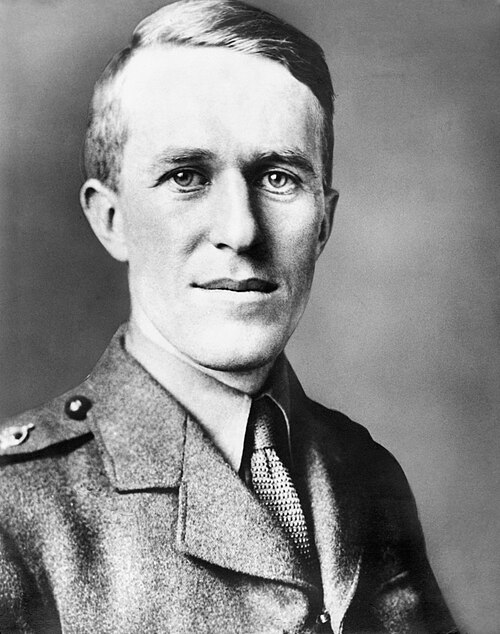
Thomas Edward Lawrence, commonly known as T.E. Lawrence or Lawrence of Arabia, was a British archaeologist, military officer, diplomat, and writer. He is renowned for his pivotal role during World War I in organizing and leading the Arab Revolt against the Ottoman Empire, employing guerrilla warfare tactics. His exploits and complex relationship with the Arab cause were immortalized in his autobiographical account, 'Seven Pillars of Wisdom', and later in popular culture.

Personality Profile: INTJ

Confidence: 85%

Personality Analysis

T.E. Lawrence is a quintessential INTJ, driven by a dominant Introverted Intuition (Ni). This function manifested in his grand, long-term vision for a unified Arab nation and his ability to foresee the strategic and political consequences of military actions. He could synthesize complex information—tribal politics, geography, military logistics—into a coherent, overarching plan. His auxiliary Extraverted Thinking (Te) provided the framework to execute this vision with ruthless efficiency; he organized raids, managed supplies, and applied modern guerrilla tactics to a desert war, all while maintaining a cerebral, often impersonal, command style.

His tertiary Introverted Feeling (Fi) fueled his deep personal ideals and moral code. Lawrence was not a simple soldier; he was fiercely devoted to the Arab cause as a matter of principle, which led to intense inner conflict when British and French political promises betrayed that cause. This strong Fi, coupled with his 5w4 Enneagram, contributed to his romantic idealism, poetic sensibilities, and the profound sense of personal guilt and alienation he experienced post-war. The inferior function, Extraverted Sensing (Se, in the grip), appeared in his remarkable ability to endure extreme physical hardship and his occasional bursts of reckless, almost self-destructive action in battle, as if to prove his theories in the starkest sensory reality.

Interpersonally, Lawrence was famously enigmatic and reserved. He built deep bonds of loyalty with key Arab leaders like Prince Faisal through intellectual respect and shared purpose, yet remained an outsider, often uncomfortable with traditional military hierarchy and English society. His decision-making was intensely internalized, relying on his Ni-Fi vision, then implemented with Te precision. Growth for an INTJ often involves integrating their inferior Se and acknowledging their Fi values more healthily; Lawrence’s later life, seeking anonymity in the ranks of the RAF, suggests a retreat from the overwhelming sensory and emotional consequences of his grand Ni vision.

Supporting Evidence

His authorship of ‘Seven Pillars of Wisdom’ demonstrates dominant Ni (complex symbolic vision) and tertiary Fi (deep personal introspection on guilt and identity). The meticulous planning and successful execution of the Aqaba campaign showcases auxiliary Te in strategic, logistical mastery. His ability to live as an Arab, adopting dress and customs, required a temporary engagement with inferior Se, immersing himself in the physical present, though he later recoiled from this identity. His post-war refusal of honors and retreat into the RAF under pseudonyms highlights his introversion, disillusionment with broken ideals (Fi), and desire to escape the sensory and social demands (low Se, low E) of his created legend.

Cognitive Function Stack

Confidence: 85%

The cognitive function stack represents how an individual processes information and makes decisions based on Jungian personality type theory.

Auxiliary Function: Te

Extraverted Thinking - Organizing and structuring the external world logically and efficiently.

Dominant Function: Ni

Introverted Intuition - Perceiving underlying patterns and developing long-range visions.

Inferior Function: Se

Extraverted Sensing - Experiencing and interacting with the immediate environment.

Tertiary Function: Fi

Introverted Feeling - Making decisions based on internal values and personal ethics.

Enneagram Personality Profile:

Confidence: 85%

5w4

Big Five Personality Traits

Confidence: 85%

The Big Five personality traits represent the five broad dimensions of personality that are commonly used to describe human personality.

Openness 0%
Conscientiousness 0%
Extraversion 0%
Agreeableness 0%
Neuroticism 0%

Similar INTJ Characters

Explore other characters with similar personality traits