Tohru Honda - ISFJ Personality Type

Tohru Honda

ISFJ - Defender

Category

Anime

Nationality

Japanese

Occupation

High school student, part-time worker

About Tohru Honda

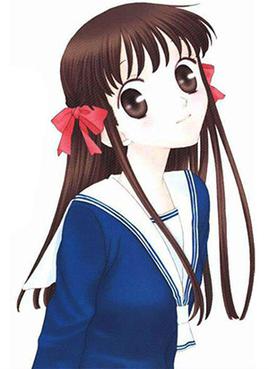
Tohru Honda is the protagonist of the anime and manga series Fruits Basket. She is a kind-hearted orphan who, after a chance encounter, comes to live with the mysterious Sohma family, who are cursed to turn into animals of the Chinese zodiac when hugged by someone of the opposite sex. She is known for her unwavering optimism, compassion, and her profound impact on the Sohmas as she works to break their curse.

Personality Profile: ISFJ

Confidence: 85%

Personality Analysis

Tohru Honda is a quintessential ISFJ. Her dominant Introverted Sensing (Si) is evident in her strong connection to the past, particularly her cherished memories of her mother, Kyoko. These memories serve as her internal moral compass and guide her actions and values. She is highly responsible, dutiful, and focused on practical, day-to-day care, such as cooking and cleaning for the Sohmas, which stems from her Si-Fe axis. Her auxiliary Extraverted Feeling (Fe) drives her primary motivation: to create and maintain group harmony and to be of service to others. She is acutely attuned to the emotions of those around her and goes to great lengths to alleviate their pain, often at the expense of her own well-being. This makes her a classic Enneagram 2 (The Helper).

Her decision-making is deeply rooted in her Fe-driven desire to support others and her Si-based sense of duty and tradition. She struggles with asserting her own needs and desires, as her Ti (tertiary) is used more to logically justify her caring actions or to understand the Sohma curse in service of helping them, rather than for detached analysis. Her inferior Extraverted Intuition (Ne) manifests as anxiety about uncertain futures, a fear of change disrupting her stable environment, and occasional catastrophic ‘what-if’ thinking, especially concerning the possibility of being a burden or losing her newfound family.

Tohru’s growth throughout the series involves integrating her inferior Ne and developing a healthier sense of self. Initially, her self-sacrifice is pathological, but she learns to accept help from others and to voice her own wants and pain. She begins to see possibilities beyond her defined role as a caretaker—the possibility of a future for herself, of being loved not for what she does but for who she is. This represents the healthy development of her tertiary Ti and inferior Ne, allowing her to balance her immense compassion with self-awareness and the courage to face an uncertain future with hope.

Supporting Evidence

Her immediate and persistent dedication to caring for Yuki and Kyo, including cooking, cleaning, and offering emotional support, showcases her Si/Fe axis. Her speech about wanting to ‘not break promises’ and her constant recollection of her mother’s teachings demonstrate Si’s hold on her value system. Her breakdown after Akito’s cruel words reveals the immense pressure of her repressed emotions and the toll of her self-sacrificial Fe. Her initial refusal to confront her own grief over her mother’s death, instead focusing solely on helping the Sohmas, highlights her underdeveloped self-focus. Finally, her eventual ability to confess her love for Kyo and choose a future with him, despite the pain and uncertainty, marks her significant growth in embracing Ne possibilities and prioritizing her own heart’s desire.

Cognitive Function Stack

Confidence: 85%

The cognitive function stack represents how an individual processes information and makes decisions based on Jungian personality type theory.

Auxiliary Function: Fe

Extraverted Feeling - Connecting with others and maintaining social harmony.

Dominant Function: Si

Introverted Sensing - Recalling detailed information and maintaining traditions.

Inferior Function: Ne

Extraverted Intuition - Seeing possibilities and connections in the external world.

Tertiary Function: Ti

Introverted Thinking - Analyzing and categorizing information logically and precisely.

Enneagram Personality Profile:

Confidence: 85%

2w1

Big Five Personality Traits

Confidence: 85%

The Big Five personality traits represent the five broad dimensions of personality that are commonly used to describe human personality.

Openness 0%
Conscientiousness 0%
Extraversion 0%
Agreeableness 0%
Neuroticism 0%

Similar ISFJ Characters

Explore other characters with similar personality traits