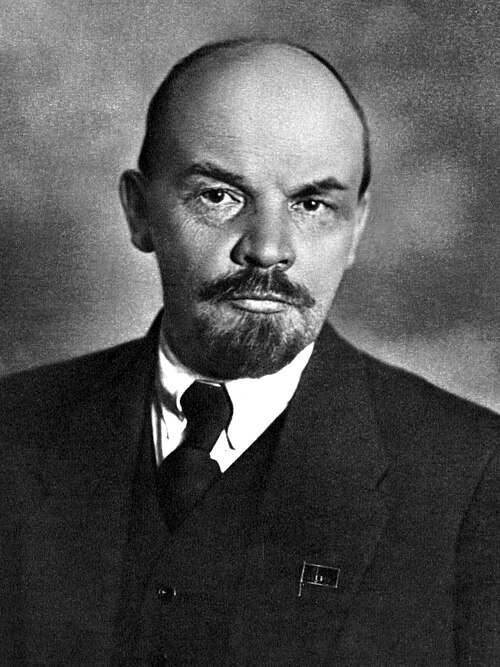
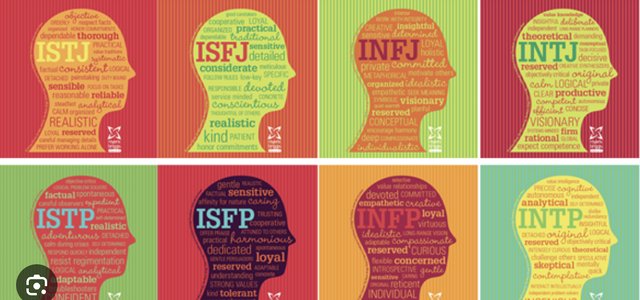
Lenin epitomizes the INTJ personality type, driven by a powerful dominant Introverted Intuition (Ni). This function gave him a singular, unwavering vision of a future communist society, which he saw with absolute clarity and conviction. His entire life was dedicated to realizing this ‘synthesis’ of history and theory, making him a classic ‘Mastermind’ archetype. He was not interested in incremental reform but in the complete overthrow and restructuring of the existing order according to this internal vision.
His auxiliary function, Extraverted Thinking (Te), was the engine for executing his Ni vision. Lenin was intensely pragmatic, organized, and decisive. He valued efficiency, structure, and logical action above all else. This is seen in his creation of a highly centralized, disciplined vanguard party and his ruthless implementation of policies like War Communism. His Te made him a formidable tactician who could adapt means to achieve his ultimate ends, demonstrating cold, calculating rationality.
Interpersonally, Lenin’s inferior functions—Introverted Feeling (Fi) and especially Extraverted Sensing (Se)—were underdeveloped. He had little regard for personal sentiment, empathy, or the immediate sensory experience of the people. His Fi was channeled into a deep, personal conviction in his ideological cause, but it did not extend to compassion for individuals who stood in its way. His disregard for Se manifested in a Spartan lifestyle and a focus on abstract theory over the immediate, chaotic realities his policies often created, leading to catastrophic human costs which he justified as necessary for the historical end goal. His growth areas, largely unrealized, would have involved integrating a humane consideration for individuals (Fi) and a more grounded, present-moment awareness of the consequences of his actions (Se).