Why AI Understands Humans Better Than We Do: A Hilarious Yet EyeOpening Tale of Terrible User Manuals and Career Growth
The Absurdity of Human Communication (And How AI Saves the Day)
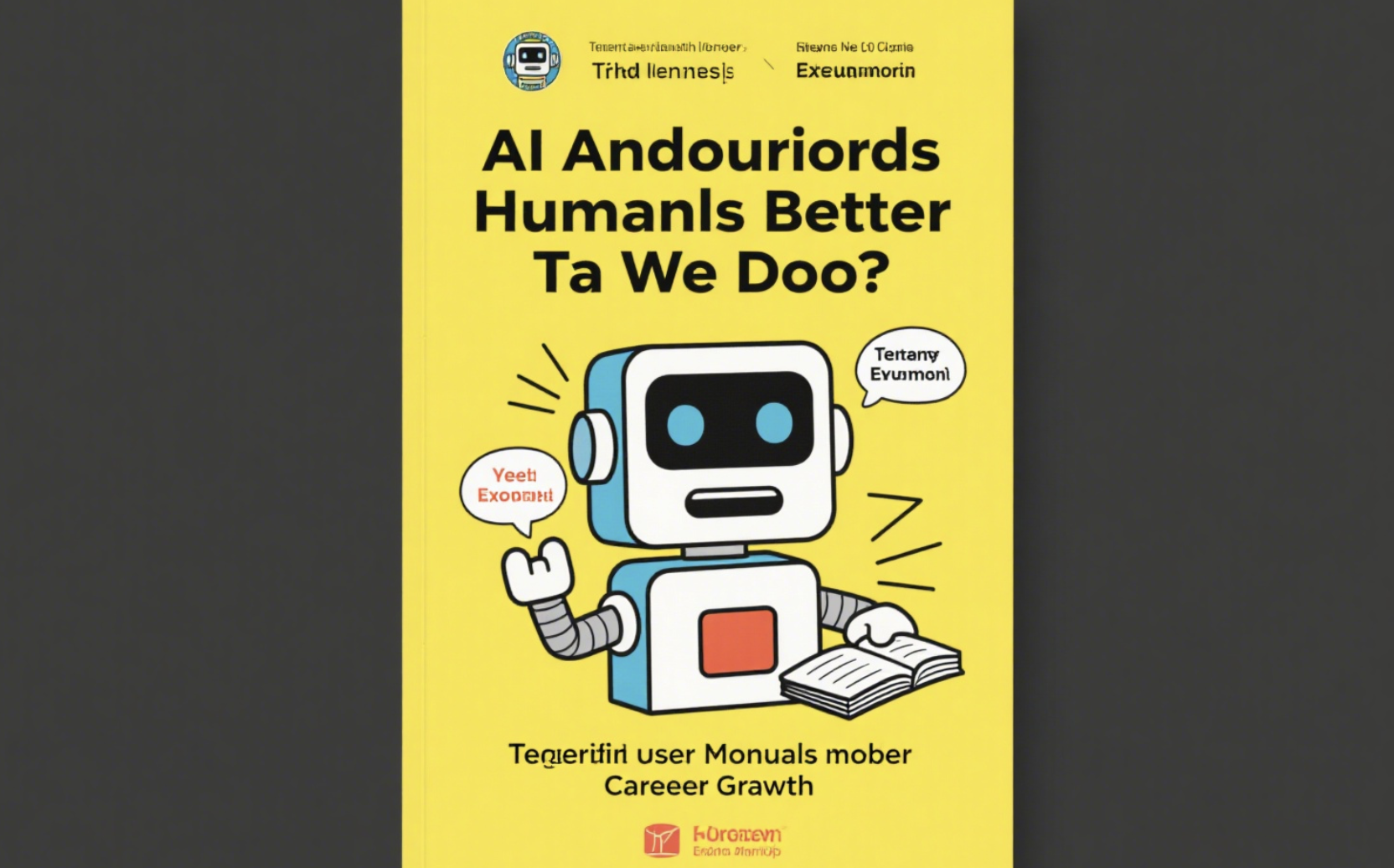
It all started when a friend gifted me a high-end audio device after weeks of agonizing over price comparisons—only for me to realize the user manual might as well have been written by a chef moonlighting as a technical writer. The instructions were so convoluted that my two decades of writing experience failed me. Ironically, ChatGPT decoded the manual in minutes, exposing a universal truth: humans are terrible at explaining things to other humans.
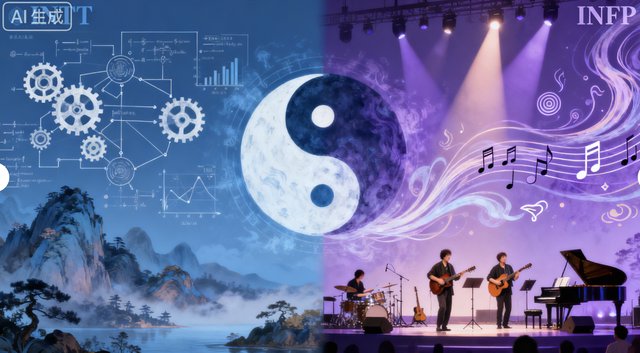
This isn’t just about manuals. In careers, misunderstandings derail projects daily. A manager (likely an ENTJ) assumes their team “just gets it,” while an INFP employee drowns in vague directives. The root cause? The curse of expertise—the inability to revert to a beginner’s mindset.
AI as the Ultimate Translator for Workplace (and Life) Chaos
ChatGPT’s success here wasn’t magic. It analyzed the manual against global forums, technical docs, and even sarcastic Reddit threads to statistically infer the intended meaning. Similarly, AI bridges gaps in workplaces:
For Leaders: An ESTJ’s blunt feedback might crush an ISFJ’s morale. AI can reframe critiques with empathy.
For Teams: A developer’s jargon-filled Slack message? AI translates it for the marketing team.
For Career Growth: Stuck decoding a job description’s vague requirements? Plug it into AI for a personality-aligned breakdown (e.g., “collaborative environment” = ideal for ENFJs).
The MBTI Lens: Why We Misunderstand Each Other
Personality types dictate communication styles:
Thinkers (NT types): Prefer logic over “fluff.” Their manuals omit steps they deem obvious.
Feelers (NF types): Assume shared context. Their emails lack bullet points but overflow with vision.
Sensors (SJ/SP types): Crave granularity. They’ll flag “missing” details N types never considered.
Solution: Use AI to “MBTI-match” communications. Example: An INTJ’s data-dense report can be summarized by AI for an ESFP stakeholder with visuals and key takeaways.How to Hack Human (and AI) Understanding in Your Career
For Manuals/Instructions:
- Prompt AI: “Rewrite this technical doc for a [MBTI type] audience. Example: For an ISTP, focus on hands-on steps, not theory.”
- Prompt AI: “Rewrite this technical doc for a [MBTI type] audience. Example: For an ISTP, focus on hands-on steps, not theory.”
For Workplace Conflicts:
- Input an email into ChatGPT: “Rephrase this feedback to balance an ESTP’s directness with an INFP’s need for harmony.”
- Input an email into ChatGPT: “Rephrase this feedback to balance an ESTP’s directness with an INFP’s need for harmony.”
For Career Development:
Ask: “Translate this job description into tasks suited for an ENTP’s strengths: ideation, adaptability, and big-picture thinking.”
The Future: AI as Your Career Copilot
The audio device’s manual fiasco mirrors career hurdles—ambiguous goals, unclear feedback, and mismatched expectations. AI won’t replace human judgment, but it will expose how often we fail to communicate effectively.
Pro Tip: Pair MBTI insights with AI tools. Example: An INFJ struggling with a micromanaging boss (likely an ESTJ) can use AI to draft status updates that satisfy the boss’s need for control while preserving autonomy.Final Thought: Embrace the Irony
The machine that “doesn’t understand” emotions often explains humans better than we explain ourselves. In careers, relationships, and yes, even user manuals, AI is the unsung hero translating our chaos into clarity. So next time you’re baffled by feedback, a colleague, or a coffee machine’s instructions—ask AI. Then laugh at the realization: We built machines to fix the communication flaws we refuse to address.
TL;DR: Bad manuals, workplace miscommunications, and career stalls all stem from humanity’s failure to “speak human.” AI—armed with MBTI smarts—can hack these gaps. Use it or keep struggling in silence.
More Personality & Technology
- 📊 Take the Free Personality Test — Discover your type in 5 minutes →
- 🧠 MBTI Cognitive Functions — The mental processes behind personality →
- 🔬 How Accurate Is the 16 Personalities Test? — What the science says →
- 🏢 MBTI at Work — Personality types in the modern workplace →
- 📚 MBTI Myths Debunked — Personality facts vs fiction →