Elon Musk MBTI: INTJ or ENTJ? The Real Personality Type Explained
Elon Musk is one of the most talked-about innovators of our time. But when it comes to his Myers-Briggs Type Indicator (MBTI), there is an ongoing debate: Is he an INTJ or an ENTJ? Both types share the dominant functions of intuition and thinking, but they differ in a crucial way—extraversion versus introversion. In this article, we dive deep into Musk’s public behavior, work habits, and decision-making style to determine which type fits him best, and what that means for your own career growth.
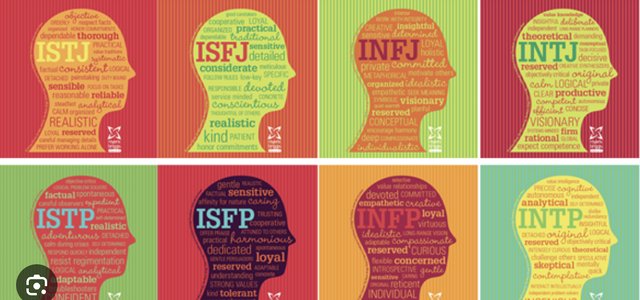
First, let’s understand the core difference between INTJ and ENTJ. INTJs are known as the Architects. They are strategic, analytical, and future-oriented. They prefer to work independently and often appear reserved. ENTJs, on the other hand, are the Commanders. They are assertive, charismatic, and thrive on leading teams and driving action. While both are decisive and goal-oriented, ENTJs draw energy from external interaction, while INTJs recharge in solitude.
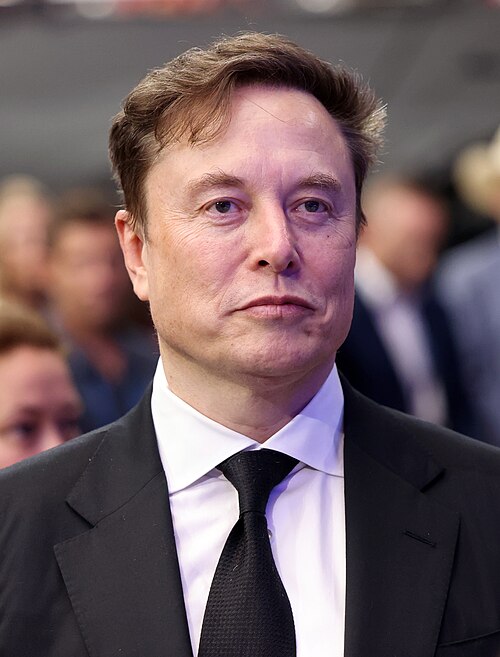
So where does Elon Musk fit? Many people assume that because Musk is a public figure who runs multiple companies and gives TED talks, he must be an ENTJ. However, public speaking and leadership are not exclusive to extraverts. In fact, Musk has described himself as introverted in several interviews. He has mentioned that he gets nervous before public appearances and prefers to spend long hours alone focused on engineering problems. This is a strong indicator of introversion.
Let’s look at his decision-making style. Musk is famous for his first-principles thinking. He breaks down complex problems into fundamental truths and reasons up from there. This is a hallmark of Introverted Intuition (Ni) combined with Extraverted Thinking (Te). INTJs lead with Ni, which means they are constantly synthesizing patterns and envisioning future possibilities. They then use Te to organize and execute their vision. ENTJs lead with Te, which means they are more focused on immediate efficiency and external results, and they use Ni as their auxiliary function to support their goals.
Musk’s approach to SpaceX and Tesla demonstrates a heavy reliance on Ni. He envisioned a future where humanity is multi-planetary, and he worked backward from that vision. That is classic INTJ behavior. He is not just reacting to market demands; he is creating a future that does not yet exist. This long-term, visionary thinking is more characteristic of INTJs than ENTJs, who are often more pragmatic and present-focused.
Another clue is his work style. Musk is known for working 80 to 100 hours a week, often sleeping at the office. He dives deep into engineering details, sometimes overruling his own experts. This intense focus on internal mental models and a desire to understand every aspect of a problem is typical of INTJs, who are perfectionistic and self-critical. ENTJs, while also hardworking, tend to delegate more and spend their energy on motivating teams and negotiating with stakeholders.
Consider his communication style. Musk’s tweets are often cryptic, humorous, and sometimes impulsive. But they are not always well-thought-out, which might suggest a lack of Te discipline. However, INTJs can also have moments of impulsivity when their inferior function (Extraverted Sensing) takes over. That can manifest as sudden memes or controversial statements. ENTJs, on the other hand, are usually more measured in public communication because they are acutely aware of their external image.
Let’s compare Musk to other famous figures. For instance, Steve Jobs, the co-founder of Apple, is widely typed as an ENTJ. Jobs was a charismatic presenter who could hypnotize an audience. He was known for his reality distortion field, pushing people to achieve the impossible. Musk, in contrast, is often awkward on stage. His TED interviews are more like conversations with a brilliant but introverted mind. He pauses, stumbles, and goes on tangents. That is not the smooth, commanding presence of an ENTJ.
Another example is Mark Zuckerberg, who is often typed as INTJ. Zuckerberg is also a visionary who built Facebook from a dorm room. He is known for being socially awkward and preferring deep work over small talk. Like Musk, he has a intense focus on long-term goals, even if it means making unpopular decisions. This parallel suggests that Musk shares more with INTJ Zuckerberg than with ENTJ Jobs.
But there are arguments for ENTJ as well. Musk is incredibly ambitious and has started multiple companies simultaneously. He seems to have endless energy for public campaigns, such as promoting Tesla’s brand or defending SpaceX on Twitter. ENTJs are known for their drive to lead and influence the world. Musk certainly does that. However, his drive appears to come from a deep internal vision, not from a need for external validation. INTJs are driven by their inner world of ideas, and they often achieve external success as a byproduct of fulfilling their vision.
Also, consider his early life. Musk was bullied as a child and spent much of his time reading science fiction and encyclopedias. He was a solitary child who preferred books to friends. That is a classic introverted profile. ENTJs are usually natural leaders from a young age, often taking charge in group settings. Musk was not that. He was the quiet kid who built rockets and wrote code.
In terms of career, understanding whether you are an INTJ or ENTJ can significantly impact your professional path. INTJs thrive in roles that require deep analysis, independent problem-solving, and long-term strategy. They are often found in research, engineering, architecture, and scientific innovation. ENTJs excel in executive leadership, management, politics, and entrepreneurship where they can directly influence people and resources. If you are an INTJ, you might feel drained by constant meetings and prefer to work on a complex project in isolation. If you are an ENTJ, you might feel energized by leading a team and making quick decisions.
Musk’s career path shows a blend of both, but his core motivation aligns more with INTJ. He has said that he does not care about money or power but about the future of humanity. That is a Ni-dominant perspective. He is willing to risk everything to make his vision a reality, which is a hallmark of INTJ’s determination.
So, what is the final verdict? Based on his self-description, his thinking style, his work habits, and his communication patterns, Elon Musk is most likely an INTJ. However, it is important to note that no one fits perfectly into a box. Musk may exhibit some ENTJ behaviors when necessary, but his natural preference is introversion, intuition, thinking, and judging.
For our readers, this analysis is more than just a fun exercise. It shows that you do not have to be an extraverted leader to change the world. Some of the most impactful visionaries are introverts who work behind the scenes. If you are an INTJ, embrace your strategic mind and your ability to see the big picture. If you are an ENTJ, learn from Musk’s example of balancing your external drive with deep thinking. And if you are not sure which type you are, take a professional MBTI assessment to discover your strengths and ideal career paths.
At PersonaProMax, we help you understand not only your personality type but also how to leverage it for career success. Whether you are an INTJ like Elon Musk or an ENTJ like Steve Jobs, your unique traits can lead to extraordinary achievements. Remember, your MBTI is not a label—it is a tool for growth.
In conclusion, while the debate between INTJ and ENTJ for Elon Musk will continue, the evidence strongly points to INTJ. His introverted nature, his visionary thinking, and his preference for deep work all align with the Architect type. So the next time you see him on stage, remember that behind the public persona is a brilliant introvert who is quietly reshaping our future.
If you found this analysis helpful, explore more of our MBTI insights to learn about other famous personalities and how their types influence their careers. And if you are ready to discover your own type, sign up for our comprehensive personality assessment today.