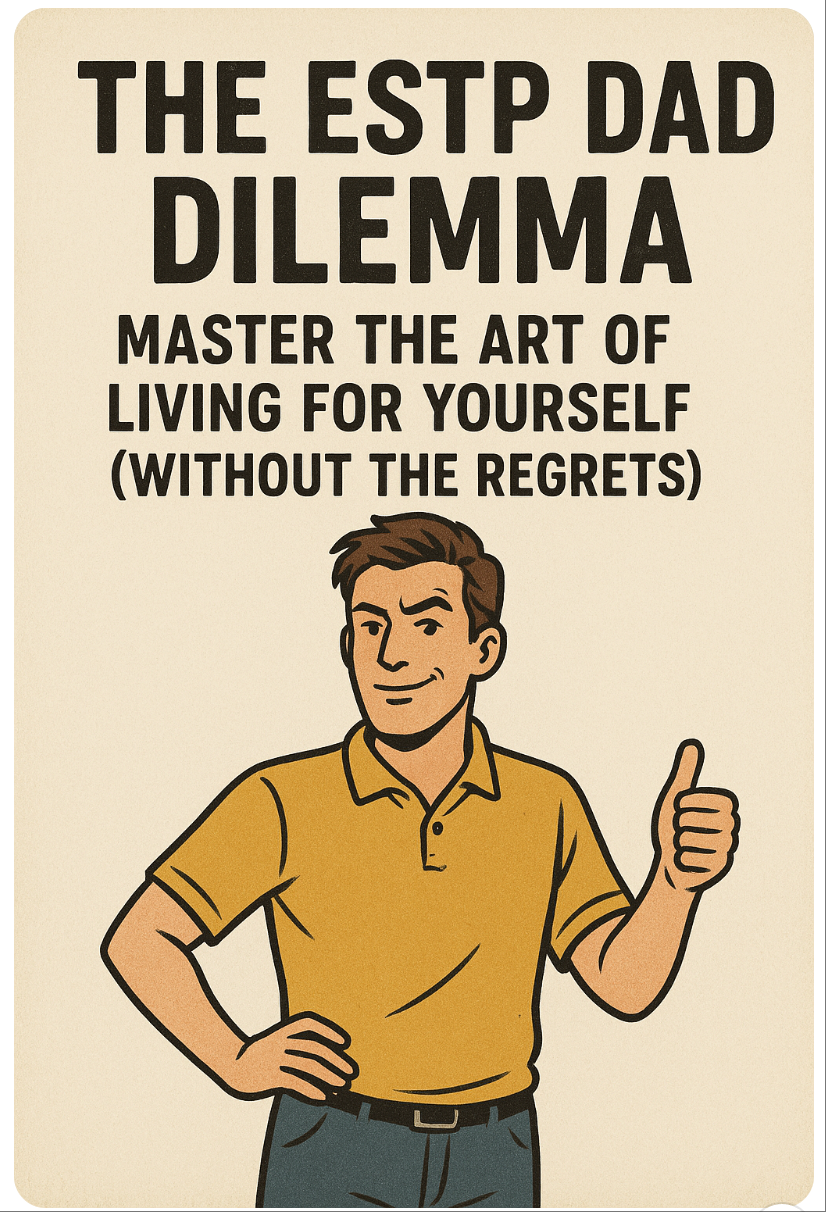
The ESTP Dad Dilemma: Master the Art of Living for Yourself (Without the Regrets)
From an expert’s perspective, the dynamic described between the author and their ESTP father offers a compelling case study in personality-driven behavior, accountability, and self-determination. The ESTP personality—often characterized by spontaneity, charm, and a relentless pursuit of excitement—can indeed teach valuable lessons about living in the present. However, without introspection and responsibility, this approach can also lead to relational friction and personal stagnation.
The author’s father embodies classic ESTP traits: he thrives on social engagement, seeks immediate gratification, and avoids routine or domestic responsibility. His philosophy of ensuring every moment is “fun” reflects the ESTP’s innate desire to experience life fully, unburdened by past regrets or future anxieties. This mindset, when channeled constructively, can foster resilience, adaptability, and a keen ability to navigate complex social dynamics—all valuable traits in careers such as sales, entrepreneurship, or emergency response.
However, the author astutely identifies the potential downsides of this approach. The father’s focus on personal enjoyment often came at the expense of familial responsibility, creating an imbalance where his pursuit of pleasure overshadowed his role as a parent. This is a critical reminder that personality traits, while influential, should not excuse a lack of accountability. The ESTP’s tendency to live in the moment can sometimes manifest as avoidance of deeper emotional or relational commitments.
The author’s response—breaking away from this dynamic—demonstrates a heightened level of self-awareness and Emotional Intelligence. Rather than completely rejecting the father’s philosophy, they refine it, adopting the concept of “living for themselves” while adding structure through reflection and goal-setting. This hybrid approach—embracing the present while also planning for the future—strikes a balance that many individuals, regardless of personality type, can benefit from.
The idea of treating life as a “task-based system” where each day is evaluated based on whether it contributed to a broader goal of “living well” is a powerful methodology for personal and professional development. This structured yet flexible framework allows for daily accountability while avoiding the rigidity that might stifle spontaneity. It acknowledges the importance of enjoyment but ties it to long-term fulfillment rather than momentary escapism.
Moreover, the author’s commitment to outlasting their father in terms of both longevity and life satisfaction introduces a healthy competitive element rooted in self-improvement. The focus is not on defeating someone else but on surpassing one’s own limitations and creating a meaningful legacy. This mindset shift—from reacting to a parent’s behavior to proactively designing one’s life—is a hallmark of mature self-development.
From a career perspective, this approach aligns with evidence-based strategies for success. Professionals who balance present-focused action (such as networking, skill-building, and seizing opportunities) with periodic reflection and long-term planning tend to achieve greater satisfaction and longevity in their careers. The author’s method of “checking boxes” and conducting regular reviews mirrors practices common in goal-setting theory and agile project management—adapted for personal use.
Ultimately, the author’s story underscores the importance of defining responsibility on one’s own terms. It is not about rejecting a parent’s influence entirely but about synthesizing the useful elements while discarding what does not serve one’s growth. The ESTP father’s mantra of “live in the moment” becomes more powerful when paired with introspection, purpose, and accountability.
For anyone navigating similar dynamics—whether with an ESTP parent or another influential figure—the key takeaway is this: you have the power to learn from others without inheriting their flaws. By embracing self-awareness, setting clear intentions, and regularly evaluating your progress, you can create a life that is both enjoyable and meaningful, without sacrificing responsibility or authenticity.
This nuanced approach to personality and growth is what we champion at PersonaProMax. Understanding your type is just the beginning; using that knowledge to build a life aligned with your values is where true transformation happens.
More ESTP & Personal Growth Resources
- 📊 Take the Free Personality Test — Discover your type in 5 minutes →
- 🎭 ESTP Character Database — 45 ESTP characters from fiction and history →
- 🧠 MBTI Cognitive Functions — Understand the Se-Ti-Fe-Ni stack →
- ❤️ MBTI Compatibility — How ESTPs build relationships →
- 🔬 The Explorer Personality Types — The SP temperament family →