Alan Alda (as Hawkeye Pierce) - ENFP Personality Type

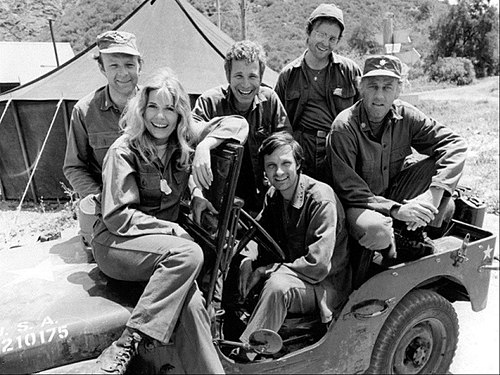
Alan Alda (as Hawkeye Pierce)

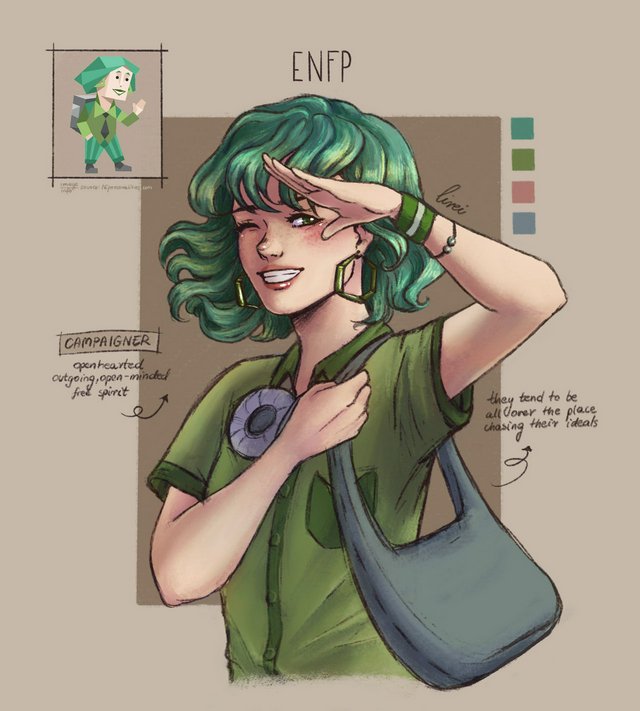
ENFP - Campaigner

Category

TV Show

Nationality

American

Occupation

Trauma Surgeon, Captain in the US Army

About Alan Alda (as Hawkeye Pierce)

Hawkeye Pierce is the brilliant, irreverent, and deeply compassionate chief surgeon of the 4077th Mobile Army Surgical Hospital (MASH) during the Korean War. He is known for his exceptional surgical skill, his relentless crusade against the absurdities and horrors of war through humor and subversion, and his profound emotional investment in his patients and friends. The character, as portrayed by Alan Alda, became an iconic figure in television history, embodying a unique blend of cynicism and humanity.

Personality Profile: ENFP

Confidence: 85%

Personality Analysis

Hawkeye Pierce is a quintessential ENFP, led by Extraverted Intuition (Ne). His mind is in a constant state of brainstorming, making wild connections, and seeing possibilities—both for surgical solutions and for elaborate pranks. This dominant Ne fuels his rapid-fire wit, his ability to think on his feet in the operating room, and his relentless questioning of the war’s logic. He perceives the world as a web of patterns and potential, which is why he so viscerally rejects the rigid, senseless patterns of military bureaucracy. His auxiliary function is Introverted Feeling (Fi), which provides the deep moral core beneath the chaotic exterior. Hawkeye’s values are intensely personal and humanistic: life is sacred, authority is suspect, and compassion is non-negotiable. His famous rants and his profound despair over lost patients stem from this Fi, which judges everything against his internal ethical compass. His tertiary Extraverted Thinking (Te) emerges in the O.R., where he becomes a focused, decisive leader, barking orders to efficiently save lives. However, outside surgery, he largely rejects Te’s love for external systems and order, seeing them as the source of the war’s madness. His inferior Introverted Sensing (Si) manifests as a resistance to tradition, routine, and past trauma. He avoids dwelling on the past’s horrors, using humor to stay in the present, but this suppressed Si occasionally erupts in moments of profound melancholy, binge drinking, and breakdowns when the accumulated pain becomes too much to ignore.

Supporting Evidence

His elaborate, thematic schemes (like the ‘Captain Tuttle’ charity) showcase Ne’s love for conceptual play and undermining rigid systems. His passionate, tearful monologues—such as pleading for a cease-fire to operate on a wounded enemy soldier or his breakdown in the finale—reveal the deep Fi values driving him. His immediate shift to calm, commanding authority in surgery demonstrates his situational use of Te. His aversion to reminiscing about home or the war’s progress, and his reliance on constant activity and humor, point to a struggle with the inferior Si, which stores and processes painful sensory and emotional memories.

Cognitive Function Stack

Confidence: 85%

The cognitive function stack represents how an individual processes information and makes decisions based on Jungian personality type theory.

Auxiliary Function: Fi

Introverted Feeling - Making decisions based on internal values and personal ethics.

Dominant Function: Ne

Extraverted Intuition - Seeing possibilities and connections in the external world.

Inferior Function: Si

Introverted Sensing - Recalling detailed information and maintaining traditions.

Tertiary Function: Te

Extraverted Thinking - Organizing and structuring the external world logically and efficiently.

Enneagram Personality Profile:

Confidence: 85%

7w6

Big Five Personality Traits

Confidence: 85%

The Big Five personality traits represent the five broad dimensions of personality that are commonly used to describe human personality.

Openness 0%
Conscientiousness 0%
Extraversion 0%
Agreeableness 0%
Neuroticism 0%

Similar ENFP Characters

Explore other characters with similar personality traits