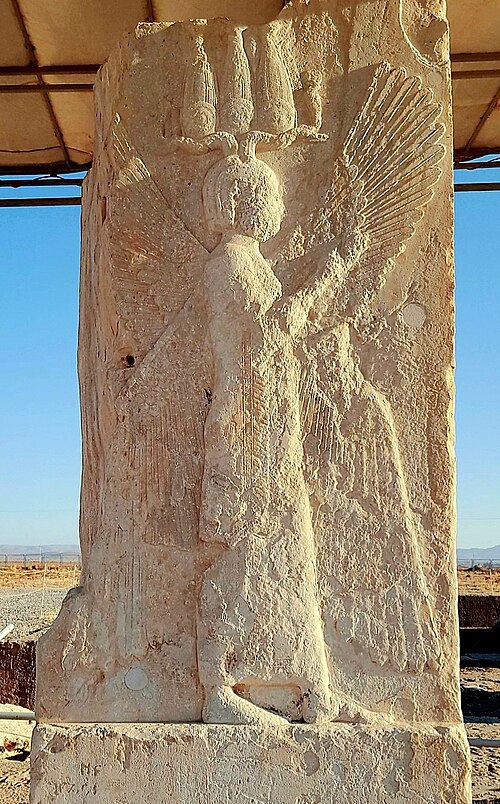
Cyrus the Great exemplifies the ENTJ (Commander) archetype. His dominant Extraverted Thinking (Te) is evident in his relentless drive to organize and build efficient systems. He did not merely conquer; he established a lasting administrative framework (the satrapy system) that effectively managed a vast, multicultural empire. His decisions were pragmatic and results-oriented, focused on creating a stable, prosperous, and governable realm. His auxiliary Introverted Intuition (Ni) provided the grand strategic vision. Cyrus was not just reacting to events; he foresaw the potential of a unified empire stretching from the Indus to the Mediterranean. This long-term vision is clear in his careful planning of campaigns and his revolutionary policies designed to ensure long-term loyalty. His tertiary Extraverted Sensing (Se) allowed him to be an active, present, and bold military commander who could seize opportunities on the battlefield and appreciate the tangible symbols of his power, such as the construction of Pasargadae. His inferior Introverted Feeling (Fi) manifested in his famous policy of tolerance. While not driven by deep personal sentiment, he developed a core personal principle of justice and respect, codified in the Cyrus Cylinder, which emphasized human rights and religious freedom as a pragmatic and ethical cornerstone of his rule. His growth likely involved integrating this Fi principle into his Te-driven systems, moving from pure conquest to legacy-building governance.