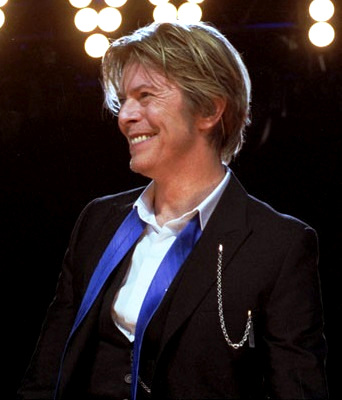
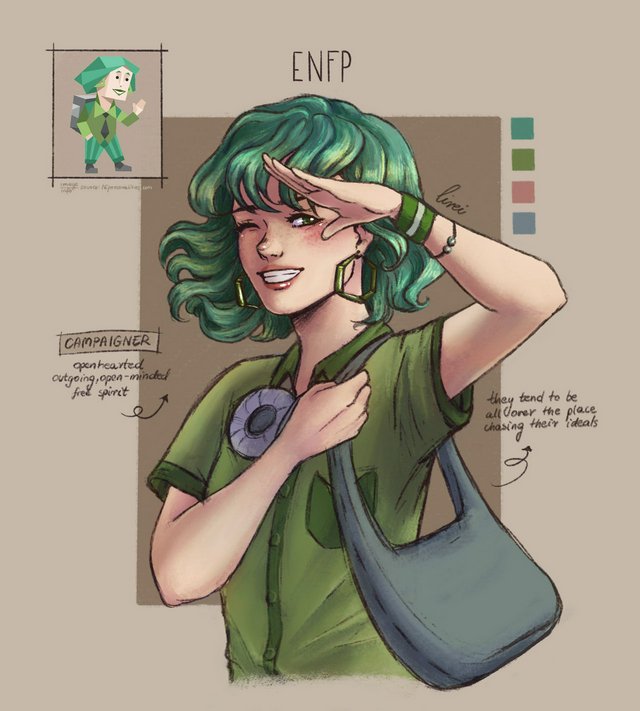
David Bowie’s persona exemplifies the ENFP (Campaigner) type, driven by Extraverted Intuition (Ne) as his dominant function. This function manifests in his boundless creativity, relentless exploration of new ideas, and ability to perceive and synthesize patterns from a vast array of cultural, artistic, and philosophical influences. His entire career was a testament to Ne: a constant state of becoming, where each album and persona represented a new possibility explored. He thrived on potential and ‘what if’ scenarios, from the alien rock star Ziggy Stardust to the Thin White Duke.
His auxiliary function, Introverted Feeling (Fi), provided the internal compass and depth behind the kaleidoscopic exterior. Bowie’s work was intensely personal, exploring themes of identity, alienation, authenticity, and transformation. While he presented myriad faces, they were all authentic expressions of his internal search for meaning and self-definition. This strong Fi gave his art its emotional resonance and sincerity, even when cloaked in artifice. The decision-making, when required, was supported by Tertiary Extraverted Thinking (Te), seen in his shrewd business moves (e.g., the ‘Bowie Bonds’) and ability to assemble talented collaborators and execute his visions effectively, albeit on his own unconventional terms.
Interpersonally, Bowie was a charismatic and inspiring figure (classic ENFP), capable of deep, if sometimes transient, connections. He was a catalyst for others’ creativity. His growth area, the inferior Introverted Sensing (Si), is reflected in his conscious rebellion against tradition and the past. He was famously forward-looking, often expressing a desire to avoid nostalgia. However, in his later work, a healthier integration of Si appeared as he gracefully acknowledged and wove elements of his own musical history into new contexts, as heard on albums like ‘Heathen’ and ‘The Next Day.’