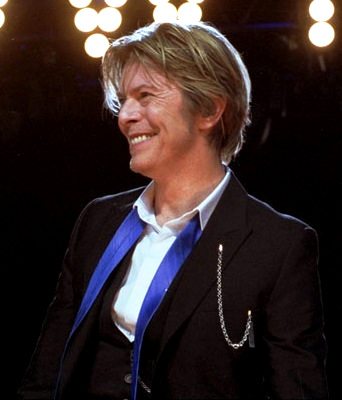
David Bowie exemplifies the INFP personality type, driven by a dominant Introverted Feeling (Fi). His work was a profound externalization of a rich, authentic, and deeply personal inner world of values, emotions, and identity. He wasn’t just performing; he was exploring and expressing core questions of self, alienation, and human experience, as seen in albums like ‘Hunky Dory’ and ‘Low.’ His strong moral compass and empathy, though often channeled through art rather than overt activism, underpinned his creative choices.
His auxiliary Extraverted Intuition (Ne) was the engine of his legendary reinvention and visionary style. This function allowed him to voraciously absorb and synthesize disparate influences from avant-garde theatre, mime, German electronic music, and science fiction, projecting them into future-facing personas and concepts. Ne gave him the ability to see endless possibilities for artistic expression and identity, leading to the creation of Ziggy Stardust, the Thin White Duke, and other archetypes. He thrived on collaboration, using others as catalysts to explore these new creative frontiers.
His tertiary Introverted Sensing (Si) provided a paradoxical anchor. While famously forward-looking, he often drew upon and re-contextualized personal memories and artistic touchstones from the past, creating a sense of nostalgic futurism. The inferior Extraverted Thinking (Te) manifested in periods of intense, disciplined productivity and sharp business acumen (e.g., his pioneering ‘Bowie Bonds’), though it could also surface as impersonal detachment or ruthless artistic decision-making when under stress, as some collaborators noted.