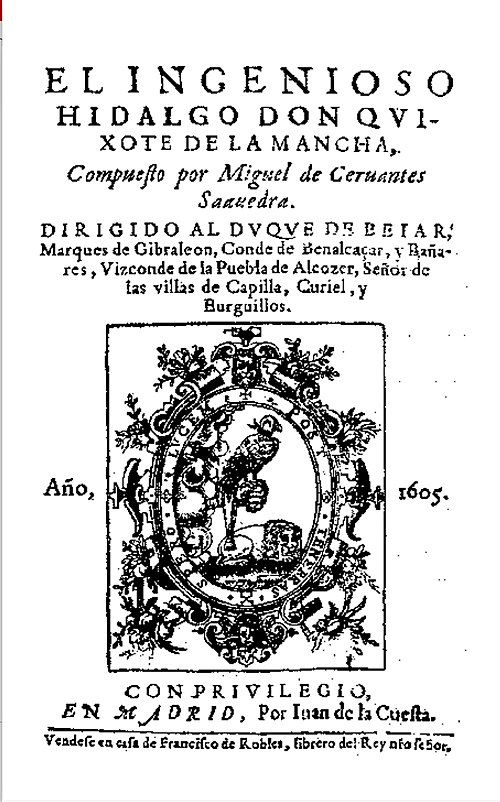
Don Quixote is a quintessential ENFP. His dominant function, Extraverted Intuition (Ne), is perpetually active, generating endless possibilities, connections, and symbolic meanings from the mundane world around him. He sees windmills as giants, inns as castles, and peasant women as noble ladies, because his Ne is unconstrained by sensory reality. This function drives his boundless enthusiasm for adventure and his belief in a world of magic and heroism. His decision-making is governed by his auxiliary function, Introverted Feeling (Fi). Quixote’s entire quest is an external projection of a deeply held, personal value system rooted in chivalry, honor, and justice. He is not following societal rules, but an inner compass of what he feels is right and noble, making him fiercely individualistic and often misunderstood. His tertiary Extraverted Thinking (Te) emerges in his attempts to impose his worldview logically onto situations, creating elaborate justifications and plans for his exploits, however flawed. His inferior function, Introverted Sensing (Si), is his area of weakness and potential growth. He rejects past personal experience and conventional wisdom, yet in moments of lucidity (especially at the novel’s end), a more integrated Si allows him to reflect on his life with poignant, grounded clarity. Interpersonally, he is charismatic and inspiring (drawing Sancho into his world), but his disconnect from shared reality creates constant conflict and comedy. His growth lies in balancing his visionary Ne with a healthier connection to concrete experience (Si) and the feelings of others.