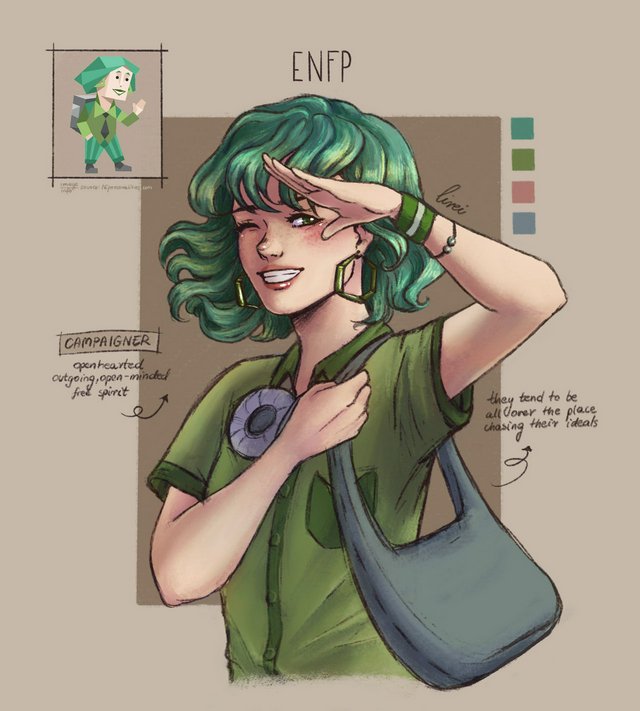
Elizabeth Bennet - ENFP Personality Type

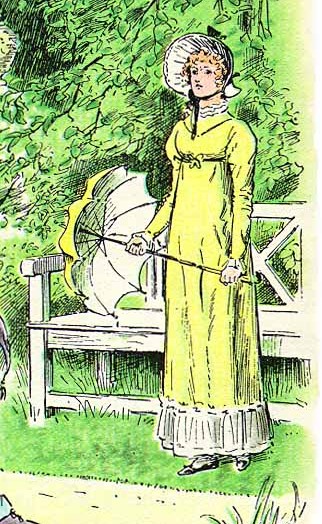
Elizabeth Bennet

ENFP - Campaigner

Category

Literature

Nationality

English

Occupation

Gentlewoman / Daughter of a gentleman

About Elizabeth Bennet

The witty and intelligent protagonist of Jane Austen's novel 'Pride and Prejudice'. She is known for her sharp observations, independent spirit, and initial prejudice against the wealthy Mr. Darcy, which gives way to a profound love built on mutual respect. Elizabeth is significant as one of literature's most beloved and enduring heroines, embodying the values of intelligence, moral integrity, and emotional growth.

Personality Profile: ENFP

Confidence: 85%

Personality Analysis

Elizabeth Bennet is a quintessential ENFP. Her dominant Extraverted Intuition (Ne) is constantly active, allowing her to see possibilities, patterns, and underlying meanings in social situations. She is quick-witted, making playful connections in conversation and adeptly reading people’s characters, though her initial interpretations are sometimes flawed. This function drives her love for novelty, lively debate, and her tendency to form rapid, holistic impressions of others, as seen in her immediate dislike of Mr. Darcy and favor of Mr. Wickham. Her decision-making is governed by her auxiliary Introverted Feeling (Fi), which provides a strong internal moral compass. Elizabeth values authenticity, personal integrity, and emotional truth above social convention or material gain. She rejects two marriage proposals (Mr. Collins and Mr. Darcy’s first) not for pragmatic reasons, but because they violate her deeply held principles of respect and genuine affection. Her tertiary Thinking (Te) emerges in her logical arguments, her sharp critiques of absurdity, and her ability to organize her perceptions into a coherent, if sometimes mistaken, narrative. Her inferior Introverted Sensing (Si) manifests as a disregard for tradition for its own sake and a tendency to be overly influenced by recent, vivid impressions (like Wickham’s story), which she must learn to balance with factual evidence and past experience for true wisdom. Interpersonally, Elizabeth is energetic and engaging, drawing people to her with her charm and intelligence, but she can be stubborn and judgmental when her Fi-based principles are triggered. Her growth arc involves integrating her inferior Si—learning to question her quick impressions, consider evidence more carefully, and understand the weight of past actions and social realities without sacrificing her core values.

Supporting Evidence

Her dominant Ne is evident in her lively, teasing conversations with Mr. Darcy at Netherfield and Rosings, where she playfully challenges his statements and explores alternative perspectives. Her auxiliary Fi is powerfully displayed when she rejects Mr. Collins’s proposal, stating she could not marry a man she could not make happy and who could not make her happy, prioritizing emotional truth over financial security. Her initial, fiercely negative judgment of Mr. Darcy after the Meryton assembly and her swift belief in Wickham’s story showcase Ne’s rapid pattern-making combined with an immature Fi that confuses personal offense with moral failing. Her growth is shown when she reads Darcy’s letter; her Te and inferior Si engage as she logically re-examines the evidence, reviews past events with new information, and arrives at a painful but truthful conclusion about her own prejudice and Wickham’s character.

Cognitive Function Stack

Confidence: 85%

The cognitive function stack represents how an individual processes information and makes decisions based on Jungian personality type theory.

Auxiliary Function: Fi

Introverted Feeling - Making decisions based on internal values and personal ethics.

Dominant Function: Ne

Extraverted Intuition - Seeing possibilities and connections in the external world.

Inferior Function: Si

Introverted Sensing - Recalling detailed information and maintaining traditions.

Tertiary Function: Te

Extraverted Thinking - Organizing and structuring the external world logically and efficiently.

Enneagram Personality Profile:

Confidence: 85%

7w6

Big Five Personality Traits

Confidence: 85%

The Big Five personality traits represent the five broad dimensions of personality that are commonly used to describe human personality.

Openness 0%
Conscientiousness 0%
Extraversion 0%
Agreeableness 0%
Neuroticism 0%

Similar ENFP Characters

Explore other characters with similar personality traits