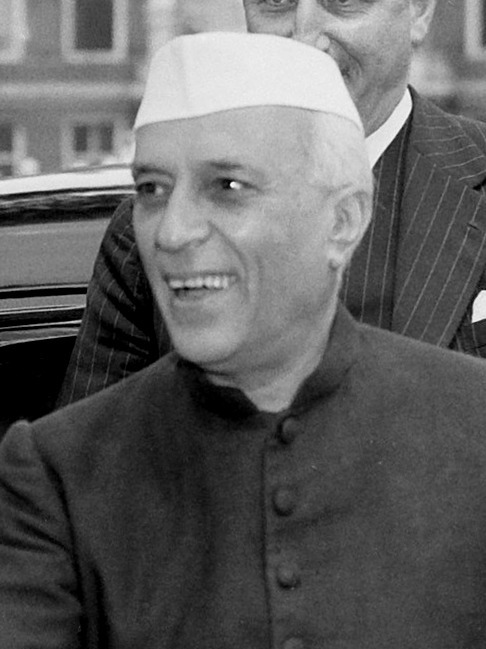
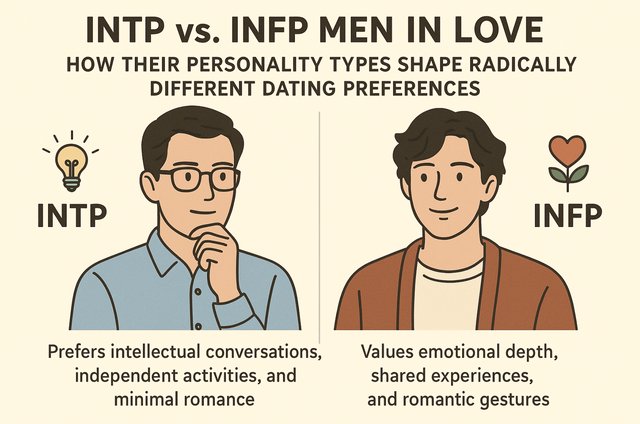
Nehru’s personality strongly aligns with the INTP type, driven by a dominant Introverted Thinking (Ti). His decision-making and worldview were fundamentally structured by an internal framework of logic, rationality, and consistency. He approached the monumental task of nation-building as an intellectual puzzle, seeking to create a coherent system that balanced democracy, secularism, and socialist-inspired planning. His celebrated writings, like ‘The Discovery of India,’ reveal a mind constantly analyzing and synthesizing information to form a unified understanding of history and society.
His auxiliary function, Extraverted Intuition (Ne), fueled his visionary outlook. He was fascinated by possibilities—scientific progress, modern architecture, and new models of governance. This function made him a forward-looking leader who imagined India’s potential on the world stage, championing technological institutes and non-alignment as a novel geopolitical path. However, his tertiary Introverted Sensing (Si) provided a tether to the past; he had a deep, sentimental connection to India’s history and his own experiences in the freedom struggle, which he referenced to give weight to his modern visions.
His inferior function, Extraverted Feeling (Fe), points to a growth area and occasional conflict. While deeply committed to the people’s welfare in the abstract and capable of great charismatic appeal, he could appear intellectually aloof, impatient with raw emotional displays, and sometimes struggled with the messy interpersonal politics within his own party. His idealism and rational frameworks sometimes clashed with the complex emotional realities of a diverse, nascent nation. The Enneagram 5w6 further underscores his desire for mastery and understanding (5) coupled with a loyal, responsible stance towards the institutions he helped build (wing 6).