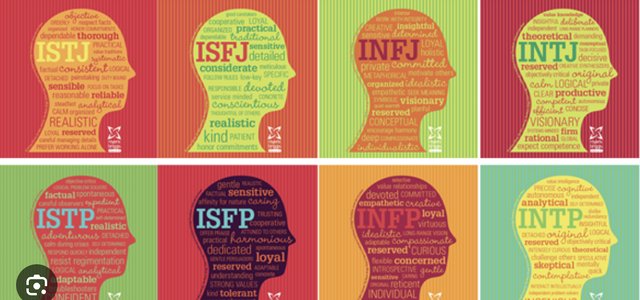
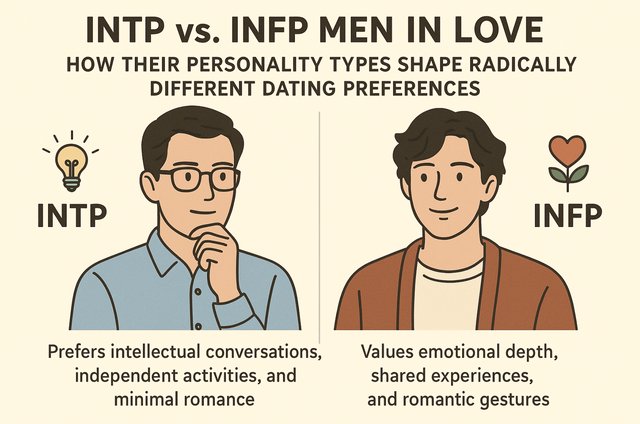
John Nash is a quintessential INTP, driven by a dominant Introverted Thinking (Ti) function. His entire life is oriented around building and refining an internal, logical framework to understand the world. His goal is not merely to solve problems, but to discover the underlying, elegant principles that govern them, as seen in his quest for an ‘original idea.’ He is detached from conventional emotions and social expectations, often appearing blunt, arrogant, and oblivious to practical matters, which is characteristic of Ti’s focus on impersonal logic and inferior Extraverted Feeling (Fe).
His auxiliary Extraverted Intuition (Ne) is the engine of his genius. It allows him to perceive a universe of possibilities, connections, and patterns in the data he absorbs. This function fuels his groundbreaking insights in game theory (seeing competitive strategies as a system) and his ability to find hidden patterns in codes and everyday life. However, during his psychotic breaks, this Ne function, disconnected from reality-testing, runs rampant, creating the elaborate, paranoid conspiracies involving Charles, Parcher, and Marcee—all perceived as complex, interconnected patterns of threat and purpose.
His tertiary Introverted Sensing (Si) manifests in his attachment to familiar routines (like his time at Princeton) and his ability to recall vast amounts of academic knowledge. His inferior Fe is his area of greatest growth and stress. In his youth, it manifests as social ineptitude and a transactional view of relationships. His journey towards mental health is paralleled by a slow development of Fe: learning to recognize and accept genuine care from his wife Alicia, and ultimately acknowledging the reality of his relationships over his paranoid fantasies. His Nobel acceptance speech, where he speaks of love as a rational basis for belief, signifies a hard-won integration of feeling into his logical worldview.