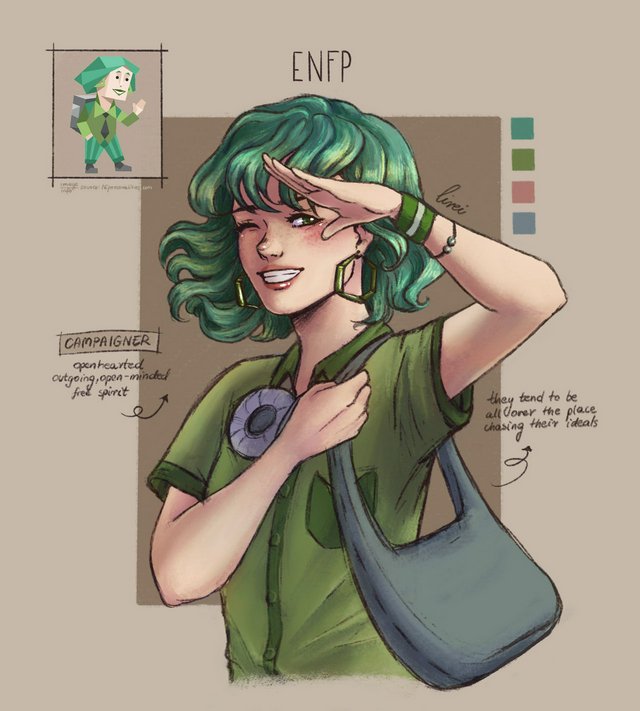
Elizabeth Bennet - ENFP Personality Type

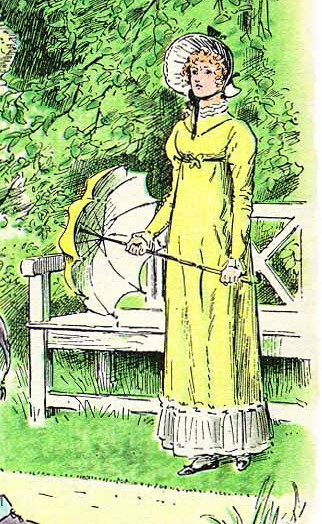
Elizabeth Bennet

ENFP - Campaigner

Category

Literature

Nationality

British

Occupation

Gentlewoman (unmarried daughter of a country gentleman)

About Elizabeth Bennet

Elizabeth Bennet is the witty and intelligent protagonist of Jane Austen's 1813 novel 'Pride and Prejudice'. She is known for her sharp mind, strong principles, and initial prejudice against the proud Mr. Darcy, with their complex relationship forming the core of the classic romantic comedy of manners.

Personality Profile: ENFP

Confidence: 85%

Personality Analysis

Elizabeth Bennet is a quintessential ENFP, driven by Extraverted Intuition (Ne) as her dominant function. This is evident in her ability to rapidly generate possibilities and connections, especially about people’s characters and motivations. She delights in novel ideas and lively conversation, seeing the world as a web of patterns and potential meanings. Her mind is constantly active, drawing inferences from small details, as seen in her early (and flawed) analysis of Mr. Darcy and Mr. Wickham. This Ne dominance makes her curious, charming, and resistant to being pinned down by convention.

Her auxiliary function, Introverted Feeling (Fi), provides the moral compass that guides her Ne. Elizabeth’s decisions are deeply personal and values-driven. She rejects Mr. Collins’s proposal not for pragmatic reasons but because it violates her core belief in marrying for love and respect. Her fierce loyalty to her sister Jane and her initial condemnation of Darcy are both rooted in this strong internal framework of right and wrong. She evaluates the world through the lens of her personal values, leading to both her admirable integrity and her stubborn prejudices.

Her tertiary function, Extraverted Thinking (Te), emerges in her love of debate and her ability to logically dismantle an opponent’s argument, as she frequently does with Mr. Darcy and Lady Catherine. However, this logic is often in service of her Fi values. Her inferior function, Introverted Sensing (Si), represents her area of growth and potential stress. She initially disregards tradition and established facts (like Darcy’s proven character in his community) in favor of her novel interpretations. Her journey involves integrating Si—learning to reconsider past events and established evidence—which is crucial to her reevaluation of Darcy and her own mistakes, leading to profound personal growth.

Supporting Evidence

Her immediate, lively, and erroneous impression of Darcy at the Meryton ball showcases Ne generating quick possibilities combined with Fi’s judgment. Her rejection of Mr. Collins’s lucrative proposal, stating ‘I am not one of those young ladies who are so daring as to risk their happiness on the chance of being asked a second time,’ is a classic Fi-value statement prioritizing personal integrity over security (inferior Si). Her spirited, logical defense of her family and her right to refuse Darcy’s first proposal demonstrates Te in service of Fi. Her pivotal moment of growth occurs when she reads Darcy’s letter; here, she is forced to confront hard evidence (Si) that contradicts her Ne-Fi narrative, leading to the painful but necessary integration of her inferior function and a reassessment of her entire worldview.

Cognitive Function Stack

Confidence: 85%

The cognitive function stack represents how an individual processes information and makes decisions based on Jungian personality type theory.

Auxiliary Function: Fi

Introverted Feeling - Making decisions based on internal values and personal ethics.

Dominant Function: Ne

Extraverted Intuition - Seeing possibilities and connections in the external world.

Inferior Function: Si

Introverted Sensing - Recalling detailed information and maintaining traditions.

Tertiary Function: Te

Extraverted Thinking - Organizing and structuring the external world logically and efficiently.

Enneagram Personality Profile:

Confidence: 85%

7w8

Big Five Personality Traits

Confidence: 85%

The Big Five personality traits represent the five broad dimensions of personality that are commonly used to describe human personality.

Openness 0%
Conscientiousness 0%
Extraversion 0%
Agreeableness 0%
Neuroticism 0%

Similar ENFP Characters

Explore other characters with similar personality traits