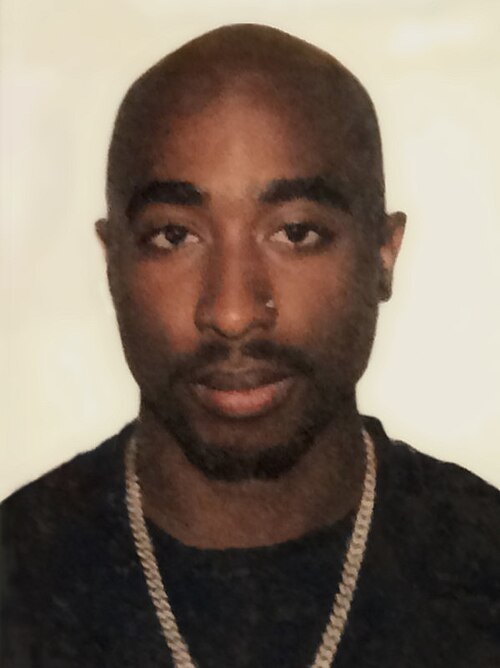
Tupac Shakur exemplifies the ENFP personality type, driven by a dominant Extraverted Intuition (Ne). This function allowed him to see endless possibilities, connections, and symbolic meanings in the world around him. His prolific output of music, poetry, and ideas reflects a mind constantly generating new concepts, narratives, and artistic visions. He absorbed the energy of his environment—the streets, the struggles, the politics—and synthesized them into a complex, multifaceted artistic identity. His work is a tapestry of potential futures, social critiques, and personal explorations, all fueled by this forward-looking, pattern-seeking cognitive process. His auxiliary function, Introverted Feeling (Fi), provided the intense moral and emotional core to his Ne-fueled expression. Tupac was defined by his powerful personal values, authenticity, and deep-seated sense of justice. His lyrics were not just observations; they were raw, unfiltered expressions of his inner emotional landscape—his pain, anger, love, and contradictions. This Fi-driven authenticity made him profoundly relatable and gave his art its piercing emotional truth. He judged the world through a strong internal framework of right and wrong, championing the oppressed while also grappling with his own moral complexities and hypocrisies. His tertiary and inferior functions, Extraverted Thinking (Te) and Introverted Sensing (Si), manifested in his life’s challenges and growth areas. When stressed, he could employ blunt, direct, and sometimes aggressive Te to organize his external world and assert control, evident in his combative public persona and business dealings. His inferior Si, representing past experiences and tradition, often surfaced as a fixation on past injustices, personal traumas, and a cyclical pattern of repeating mistakes or conflicts. The ‘Thug Life’ philosophy he championed was a Te-structured code built on Fi values, but often clashed with his deeper Ne-Fi idealism, creating the central tension of his life and art.