William Shakespeare - ENFP Personality Type

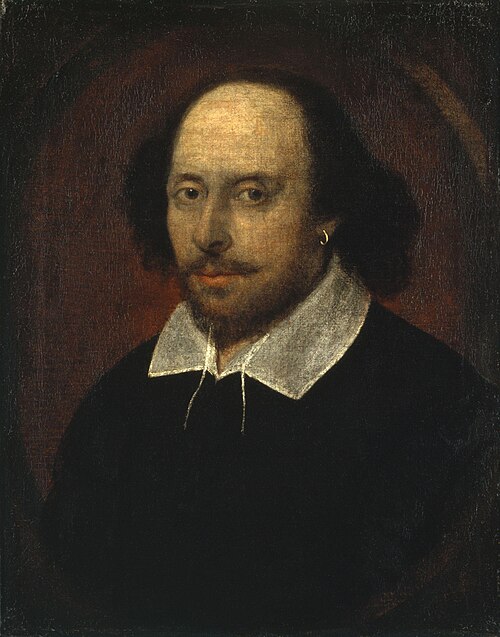
William Shakespeare

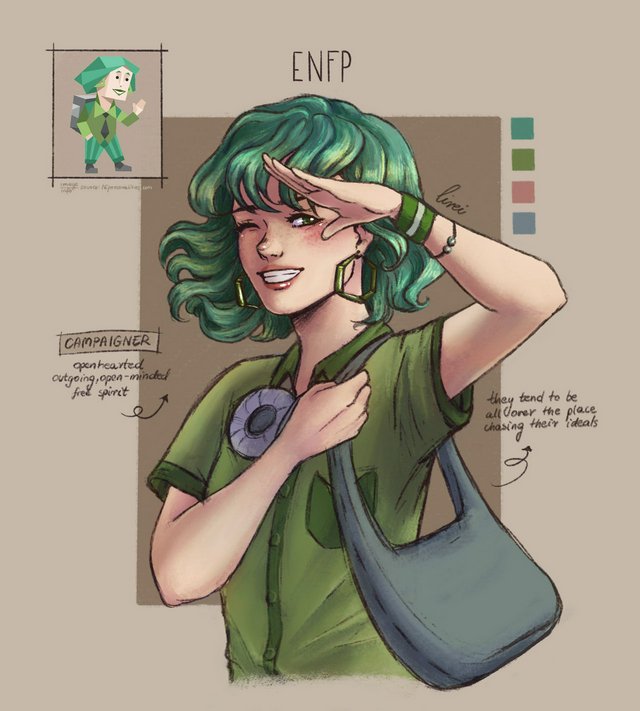
ENFP - Campaigner

Category

Movie

Nationality

English

Occupation

Playwright

About William Shakespeare

Portrayed in the 1998 film 'Shakespeare in Love', this character is a struggling young playwright in Elizabethan London. He is depicted as creatively blocked, romantic, and entangled in a passionate, forbidden love affair that ultimately inspires his masterpiece, 'Romeo and Juliet'.

Personality Profile: ENFP

Confidence: 85%

Personality Analysis

The film’s Shakespeare is a quintessential ENFP. His dominant Extraverted Intuition (Ne) is constantly generating possibilities, seen in his frantic brainstorming, witty wordplay, and ability to weave the events of his life directly into the plot of ‘Romeo and Juliet’. He thrives on new connections, chaos, and inspiration from the world around him, but struggles to focus or structure these ideas without external pressure or a deep personal catalyst. His auxiliary Introverted Feeling (Fi) provides the internal compass of deep personal values and authentic emotion. His writing and actions are driven by a quest for true love and personal meaning, and he is fiercely loyal to his own heart, even when it defies societal norms (his affair with Viola). This Fi also explains his intense, sometimes melancholic introspection during his writer’s block. The tertiary Extraverted Thinking (Te) emerges in his pragmatic dealings with Philip Henslowe, his scramble to finish the play on deadline, and his ability to command a rehearsal when inspired. His inferior Introverted Sensing (Si) manifests as his initial creative block—a paralysis linked to past failures and dry routines—which is only overcome by the novel, visceral experience of his love for Viola.

Supporting Evidence

His initial state of writer’s block (‘The comedy of Romeo and Ethel, the Pirate’s Daughter’) shows Ne starved for authentic Fi inspiration. He immediately and passionately pursues Viola upon meeting her, seeing in her the embodiment of his romantic ideal (Ne-Fi convergence). He spontaneously improvises and rewrites scenes based on his lived experiences, such as transforming a comedic pirate subplot into the tragic romance of ‘Romeo and Juliet’ as his own love story unfolds (Ne in action). His dramatic, emotional outbursts, whether in despair or ecstasy, highlight his strong Fi and 4w3 need for a unique, significant identity. Finally, his pragmatic yet chaotic management of the play’s production, including casting a woman in disguise, demonstrates Te emerging to realize his Ne-Fi vision.

Cognitive Function Stack

Confidence: 85%

The cognitive function stack represents how an individual processes information and makes decisions based on Jungian personality type theory.

Auxiliary Function: Fi

Introverted Feeling - Making decisions based on internal values and personal ethics.

Dominant Function: Ne

Extraverted Intuition - Seeing possibilities and connections in the external world.

Inferior Function: Si

Introverted Sensing - Recalling detailed information and maintaining traditions.

Tertiary Function: Te

Extraverted Thinking - Organizing and structuring the external world logically and efficiently.

Enneagram Personality Profile:

Confidence: 85%

4w3

Big Five Personality Traits

Confidence: 85%

The Big Five personality traits represent the five broad dimensions of personality that are commonly used to describe human personality.

Openness 0%
Conscientiousness 0%
Extraversion 0%
Agreeableness 0%
Neuroticism 0%

Similar ENFP Characters

Explore other characters with similar personality traits