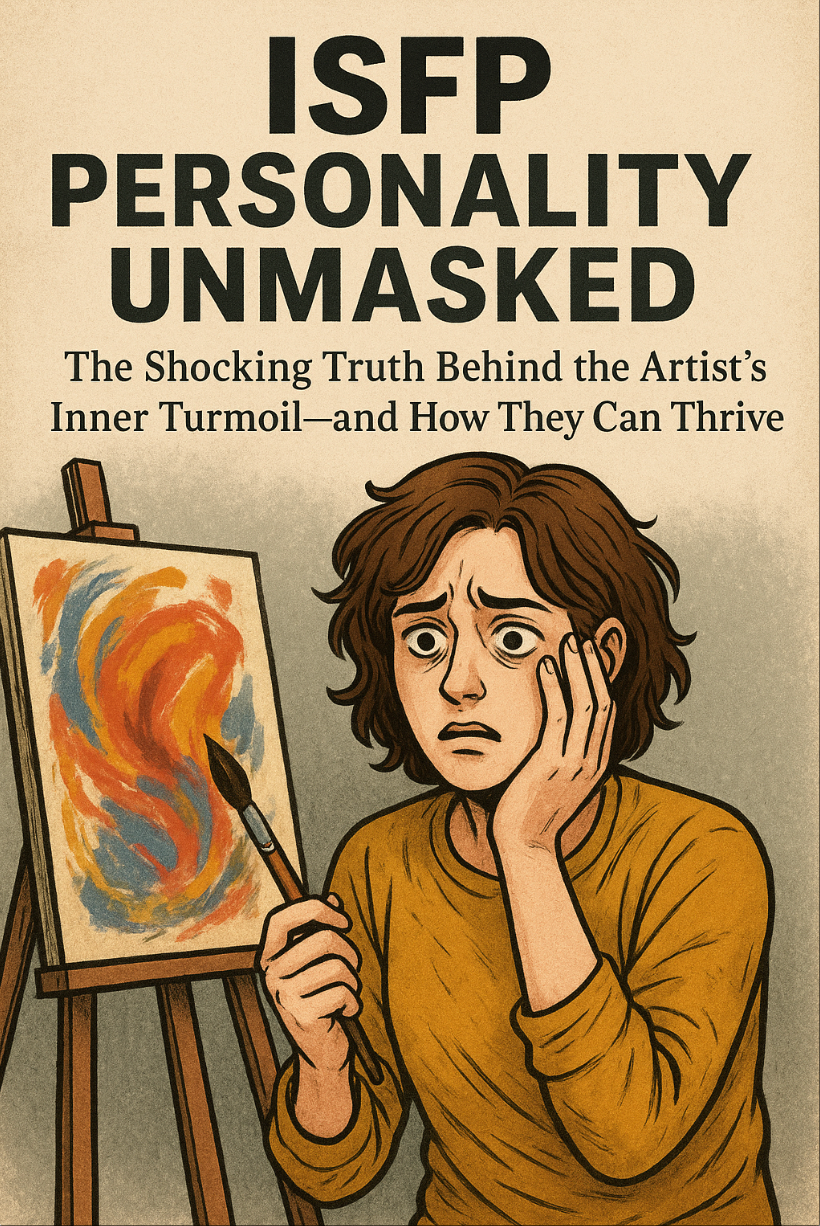
ISFP Personality Unmasked: The Shocking Truth Behind the Artist's Inner Turmoil and How They Can Thrive
The ISFP personality type, often referred to as the Adventurer or the Artist, is one of the most intriguing and misunderstood types in the Myers-Briggs Type Indicator (MBTI). Individuals with this personality, such as the fictional木子 and爽子 or historical figures like张爱玲, exhibit a unique blend of intense emotional depth and a relentless pursuit of sensory experiences. However, beneath their creative and often compassionate exterior lies a complex inner world marked by contradictions, emotional turbulence, and a struggle for self-expression. As a professional platform dedicated to Personality Insights and career development, PersonaProMax aims to provide an expert perspective on the ISFP type, highlighting their strengths, challenges, and pathways to growth.
At the core of the ISFP personality is the dominant introverted feeling (Fi) function. This function drives ISFPs to make decisions based on deeply held personal values and emotions. They are highly in tune with their inner moral compass, which can make them appear intensely self-focused or even narcissistic to outsiders. This isn’t arrogance but rather a profound connection to their emotional landscape. For ISFPs, authenticity is paramount. They strive to live in alignment with their beliefs, which can lead to fierce independence and a rejection of external pressures. However, this same Fi function can also make them prone to emotional outbursts, as they may struggle to analyze or articulate their feelings in a structured way. Instead, they often express themselves through creative outlets or, in moments of overwhelm, through seemingly chaotic or cryptic behavior, such as posting abstract thoughts online.
The secondary extraverted sensing (Se) function further shapes the ISFP experience. This function drives ISFPs to seek out vivid, real-world experiences through their senses. They are drawn to beauty, physical stimulation, and immediate pleasures, whether through art, nature, fashion, or adventure. This sensory orientation makes them highly present and attuned to their environment, but it can also reinforce a materialistic or pleasure-seeking mindset. Compared to intuitive types (N types), ISFPs are more grounded in the tangible world, which can sometimes limit their engagement with abstract or theoretical thinking. While this doesn’t mean they lack depth, it does mean they may prefer concrete experiences over intellectual exploration, leading to challenges in navigating complex emotional or social situations.
One of the most significant challenges for ISFPs is the interplay between their Fi and Se functions. Their desire for sensory stimulation can sometimes conflict with their inner values, creating internal tension. For example, an ISFP might value independence and creativity but find themselves drawn to luxurious or status-driven experiences that seem at odds with those values. This can lead to behaviors that appear contradictory, such as criticizing societal norms while simultaneously seeking validation or admiration from others. The reference to张爱玲, a renowned writer and suspected ISFP, illustrates this perfectly. Her literary works often explored themes of individualism and emotional complexity, yet her personal life, including her relationship with胡兰成, revealed a tendency towards romantic idealism and even submission to patriarchal structures. Similarly, modern ISFPs might advocate for progressive ideals online but struggle to break free from ingrained patterns, such as people-pleasing or nostalgia-driven loyalty to family traditions, even when those traditions contradict their stated beliefs.
Socially and emotionally, ISFPs are often described as warm, empathetic, and loyal. They are deeply caring towards loved ones and can be surprisingly forgiving, often giving others multiple chances despite past hurts. However, their emotional sensitivity can also make them volatile. When their values are challenged or when they feel misunderstood, ISFPs may react with sudden outbursts of frustration or anger. This isn’t a sign of immaturity but rather a reflection of their difficulty in processing complex emotions logically. Without well-developed coping mechanisms, they might resort to impulsive actions or emotional releases that seem disproportionate to the situation.
Despite these challenges, ISFPs possess remarkable strengths that can lead to fulfilling careers and personal growth. Their creativity, authenticity, and ability to connect with others on an emotional level make them natural artists, designers, counselors, or educators. To thrive, ISFPs must learn to channel their emotional intensity into constructive outlets. This includes developing skills in Emotional Intelligence, such as labeling their feelings, practicing mindfulness, and engaging in reflective practices like journaling. Additionally, embracing their sensory strengths through hands-on careers can provide a sense of purpose and satisfaction.
For ISFPs, the journey towards self-actualization involves embracing both their strengths and vulnerabilities. By acknowledging their tendencies towards emotional reactivity or materialistic desires, they can consciously work towards aligning their actions with their core values. This might involve setting boundaries in relationships, seeking therapy or coaching, or pursuing creative projects that allow for authentic self-expression. Ultimately, ISFPs are not doomed to a life of contradiction; rather, they are capable of profound growth when they leverage their innate passions and talents.
In conclusion, the ISFP personality is a dynamic blend of emotional depth, sensory engagement, and creative potential. While they may face challenges in balancing their inner values with external pressures, their unique perspective enriches the world around them. Through self-awareness and intentional development, ISFPs can transform their perceived weaknesses into sources of strength, achieving both personal and professional fulfillment.
More ISFP & Personality Resources
- 📊 Take the Free Personality Test — Discover your type in 5 minutes →
- 🎨 ISFP Personality Guide — Complete deep dive into the Adventurer →
- 🎭 ISFP Character Database — 29 ISFP characters from fiction and history →
- 🧠 MBTI Cognitive Functions — Understand the Fi-Se-Ni-Te stack →
- 🔬 The Explorer Personality Types — The SP temperament family →