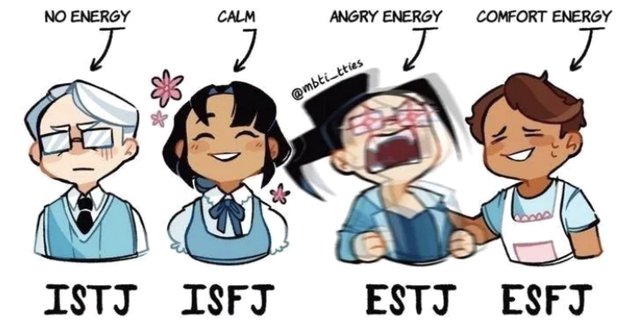
Cixi exemplifies the ESTJ type, driven by a dominant Extraverted Thinking (Te) function. Her entire rule was characterized by a relentless, pragmatic focus on maintaining order, control, and the existing hierarchy of the Qing state. She made decisions based on what was most effective for preserving her power and the dynasty’s stability, often sidelining sentiment, tradition for its own sake, or ideological purity. Her approach was transactional and decisive, as seen in her orchestration of coups and purges.
Her auxiliary function, Introverted Sensing (Si), provided her with a strong sense of historical precedent, ritual, and institutional memory. She was deeply attached to the established customs and structures of the Qing court, which she sought to preserve. However, this was always in service to her Te-driven goals; she upheld traditions that reinforced her authority but was willing to bend or discard them when necessary for practical survival. This Si-Te combination made her a formidable conservative force, resistant to the radical, untested reforms proposed by the Guangxu Emperor.
Cixi’s interpersonal dynamics were those of a classic Te-dom: hierarchical, demanding, and results-oriented. She built a network of loyalists through patronage but was notoriously merciless with perceived disloyalty. Her inferior Introverted Feeling (Fi) manifested in a personal, almost vengeful response to threats and a strong identification with the dynasty as an extension of herself. Her growth area—and a source of her historical controversy—was her underdeveloped Fi, leading to a lack of authentic connection with the broader needs of the Chinese populace and an inability to articulate a unifying vision beyond sheer survival, which ultimately contributed to the dynasty’s downfall.