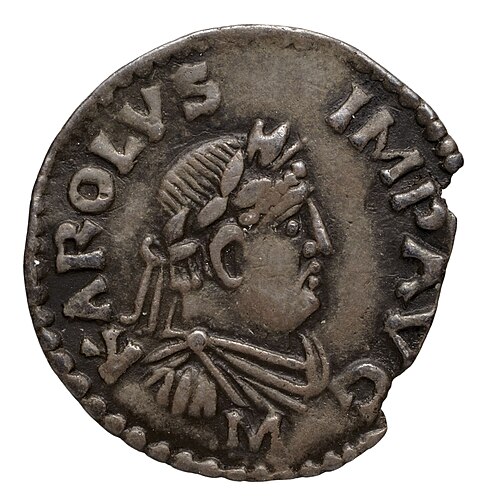
Charlemagne exemplifies the ESTJ type (The Executive), driven by a dominant Extraverted Thinking (Te) function. His entire reign was structured around efficient, practical systems to administer a vast and diverse empire. He valued order, hierarchy, and clear results, as seen in his legal reforms (Capitularies), standardized weights and measures, and the use of royal envoys (missi dominici) to ensure his decrees were followed. His decision-making was swift, authoritative, and focused on tangible outcomes, whether in warfare, governance, or his patronage of learning, which served the pragmatic goal of creating a unified Christian civilization. His auxiliary Introverted Sensing (Si) provided a respect for tradition and established structures. He saw himself as a restorer of the Roman Empire’s order and glory, albeit in a Christian Frankish form, and relied on past precedents to legitimize his rule. This combination of Te and Si made him a formidable institution-builder who consolidated power through systematization and appeals to historical continuity. Interpersonally, he was a commanding, sometimes intimidating figure (Enneagram 8), demanding loyalty and obedience. His tertiary Extraverted Intuition (Ne) allowed for strategic adaptability in military and diplomatic maneuvers, but it was always in service of his Te-Si goals. His inferior Introverted Feeling (Fi) is seen in his personal piety and genuine belief in his divine mission, but it was often subordinate to his public duty. His emotional inner life was private, and he could be ruthless (low Agreeableness) when political or military necessity demanded it, as in the massacre at Verden.