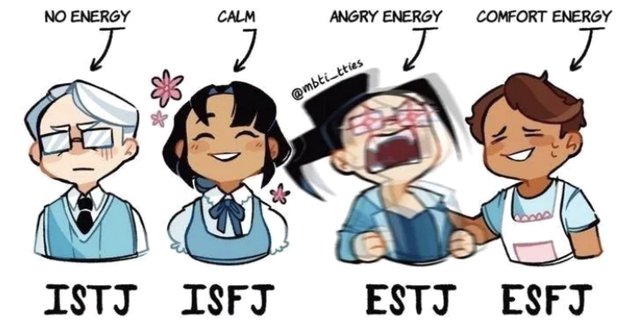
Jamie Dimon is a quintessential ESTJ, a personality type defined by Extraverted Thinking (Te) as the dominant function and Introverted Sensing (Si) as auxiliary. His Te drives his entire persona: he is a master of systems, efficiency, and logical execution. He thrives on organizing complex institutions, setting clear, measurable goals, and demanding accountability. His leadership is characterized by direct, often blunt, communication and a relentless focus on practical results and bottom-line performance. He is a classic ‘doer’ who values competence and decisiveness above all else, viewing the business world through a lens of objective facts and strategic imperatives. His auxiliary Si grounds him in tradition, institutional memory, and proven methods. While innovative, he is not a reckless disruptor; he respects the established rules and history of banking, using past experiences (like the 2008 crisis) as a key data point for future risk management. This Te-Si axis makes him a formidable steward of a massive, systemically important institution. His tertiary Ne and inferior Fi offer insight into his growth edges and occasional outbursts. Ne allows him to engage in ‘what-if’ scenarios and long-term strategic thinking, visible in his famous annual shareholder letters. However, under stress, the inferior Introverted Feeling (Fi) can emerge as stubborn defensiveness of his company’s ‘family’ or as sharp, personalized criticism of regulators or competitors, revealing a deep, if privately held, sense of values and loyalty that he struggles to articulate in nuanced terms. His growth lies in integrating more Fi—greater personal reflection on the emotional impact of his bluntness and a more overt expression of the values behind his tough decisions.