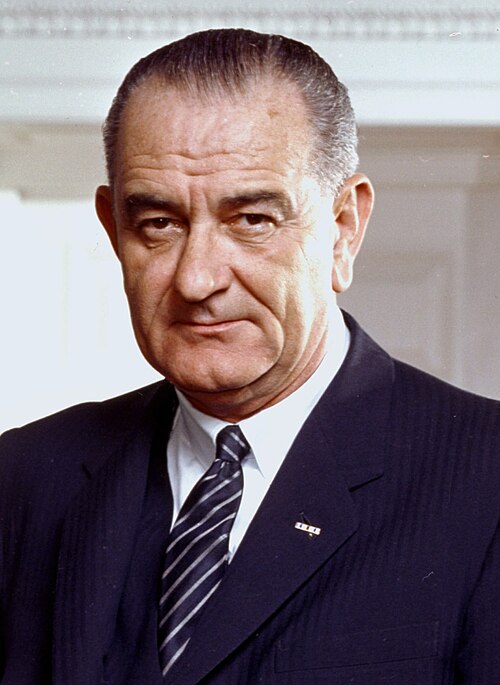
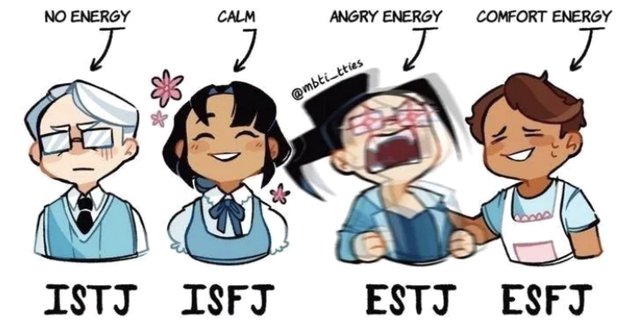
Lyndon B. Johnson is a classic example of an ESTJ, driven by Extraverted Thinking (Te) as his dominant function. His entire political methodology was oriented towards external organization, efficient execution, and achieving tangible results. He was a master tactician who valued systems, hierarchy, and power structures as tools to get things done. His decision-making was pragmatic, decisive, and focused on immediate, real-world outcomes, as seen in his legislative prowess and his handling of the Vietnam War. His auxiliary function, Introverted Sensing (Si), provided a strong connection to tradition, precedent, and personal history. He leveraged his deep knowledge of congressional rules and his vast memory of past political dealings and personal favors to operate the levers of power. The ‘Johnson Treatment’—his infamous, physically imposing method of persuasion—was a Te-Si performance, using past knowledge and present pressure to force compliance. His tertiary Ne manifested in bursts of visionary, expansive thinking, particularly in conceptualizing the sweeping ‘Great Society’ programs. However, this was always in service of his Te-driven need for monumental achievement. His inferior Introverted Feeling (Fi) represented his growth area and his point of stress. Johnson struggled with introspection and personal values separate from his public role. He was deeply sensitive to criticism and personal slights, often reacting with rage or self-pity, and his legacy is marked by the conflict between his noble civil rights achievements and the moral complexities of Vietnam, a tension reflective of underdeveloped Fi.