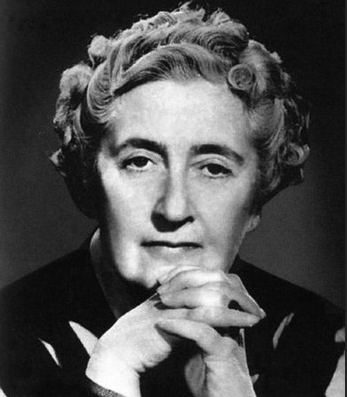
Catherine de’ Medici exemplifies the ISTJ personality type, driven by a dominant Introverted Sensing (Si) function. Her worldview was shaped by her past experiences—her vulnerable childhood as an orphan and outsider in the French court. This fostered a deep-seated need for order, stability, and the preservation of tradition (the monarchy and Catholic orthodoxy) as the pillars of security. She operated as a meticulous institutionalist, valuing established structures and using them as tools to maintain control. Her auxiliary Extraverted Thinking (Te) was evident in her pragmatic, often ruthless, approach to problem-solving. She valued efficiency and results over sentiment, orchestrating political marriages, espionage networks, and balancing factions with a cold, logistical precision. Her decision-making was not driven by personal ideology but by a duty-bound focus on what she saw as necessary for the survival of the Valois dynasty and the French state. Interpersonally, Catherine was guarded and formal, a classic trait of an ISTJ under stress. Her inferior Extraverted Intuition (Ne) manifested as a profound fear of unforeseen chaos and worst-case scenarios, which fueled her suspicious nature and sometimes led to catastrophic, pre-emptive actions to neutralize perceived threats. Her growth area lay in integrating a healthier Ne—considering alternative, less destructive futures and building genuine alliances rather than purely transactional ones.