Hikaru Sulu - ISTJ Personality Type

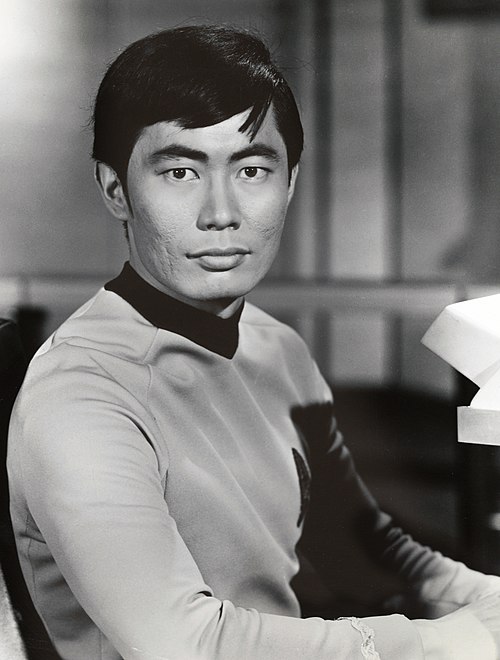
Hikaru Sulu

ISTJ - Logistician

Category

TV Show

Nationality

United States of America (Terran, Asian heritage)

Occupation

Starfleet Officer, Helmsman / Pilot, later Starship Captain

About Hikaru Sulu

Hikaru Sulu is a Starfleet officer best known as the helmsman of the USS Enterprise under Captain James T. Kirk. He is a highly skilled pilot and later becomes captain of the USS Excelsior, showcasing his professional growth and steadfast competence under pressure. His character is significant for his calm, reliable presence and representation of Asian characters in mainstream science fiction.

Personality Profile: ISTJ

Confidence: 85%

Personality Analysis

Hikaru Sulu is a quintessential ISTJ, whose personality is anchored in his dominant Introverted Sensing (Si). This function grounds him in established Starfleet protocols, past mission logs, and reliable, proven techniques. He is the picture of consistency, drawing on internal archives of sensory and procedural data to navigate complex situations. This is supported by his auxiliary Extraverted Thinking (Te), which allows him to apply this knowledge logically and efficiently to the task at hand, whether plotting a course or commanding a starship. His decision-making is thus methodical, rule-respecting, and focused on achieving tangible, effective results.

Sulu’s interpersonal style is reserved, professional, and team-oriented. He is not an initiator of grand, abstract strategies like Kirk or Spock but is the indispensable executor who makes the captain’s vision a reality. His loyalty to the chain of command and his crewmates is unwavering, stemming from his tertiary Introverted Feeling (Fi), which holds strong personal values of duty and integrity. He rarely shows emotional volatility, maintaining a famously calm demeanor even when the ship is under immediate threat, reflecting the ISTJ’s preference for stability and control.

His growth areas relate to his inferior function, Extraverted Intuition (Ne). While exceptionally competent within his defined role, Sulu can initially be hesitant in scenarios requiring rapid adaptation to wildly unpredictable or novel paradigms not covered by the manual. However, his character arc shows development here; as Captain of the Excelsior, he must embrace broader possibilities and unconventional thinking. His hobbies, like botany and fencing, are sensory and skill-based but also hint at a structured exploration of new experiences, a healthy outlet for his inferior Ne. The ISTJ’s journey involves learning to occasionally embrace the unknown without abandoning their core reliability, a balance Sulu achieves.

Supporting Evidence

His calm, precise execution of complex flight maneuvers, like the ‘corbomite maneuver,’ demonstrates Si-Te reliance on practiced skill and procedure. When left in command of the Enterprise bridge in ‘The Naked Time,’ he immediately assumes the captain’s chair with solemn duty, showcasing his Fi-driven sense of responsibility. His initial (and later overcome) rigid adherence to orders not to raise shields in Star Trek VI, despite clear danger, highlights the potential downside of Si-Te literalism. His promotion to Captain of the Excelsior and his command during the ‘Genesis Crisis’ prove his growth into a leader who can apply his methodical nature to novel, high-stakes scenarios.

Cognitive Function Stack

Confidence: 85%

The cognitive function stack represents how an individual processes information and makes decisions based on Jungian personality type theory.

Auxiliary Function: Te

Extraverted Thinking - Organizing and structuring the external world logically and efficiently.

Dominant Function: Si

Introverted Sensing - Recalling detailed information and maintaining traditions.

Inferior Function: Ne

Extraverted Intuition - Seeing possibilities and connections in the external world.

Tertiary Function: Fi

Introverted Feeling - Making decisions based on internal values and personal ethics.

Enneagram Personality Profile:

Confidence: 85%

1w9

Big Five Personality Traits

Confidence: 85%

The Big Five personality traits represent the five broad dimensions of personality that are commonly used to describe human personality.

Openness 0%
Conscientiousness 0%
Extraversion 0%
Agreeableness 0%
Neuroticism 0%