Tokugawa Ieyasu - ISTP Personality Type

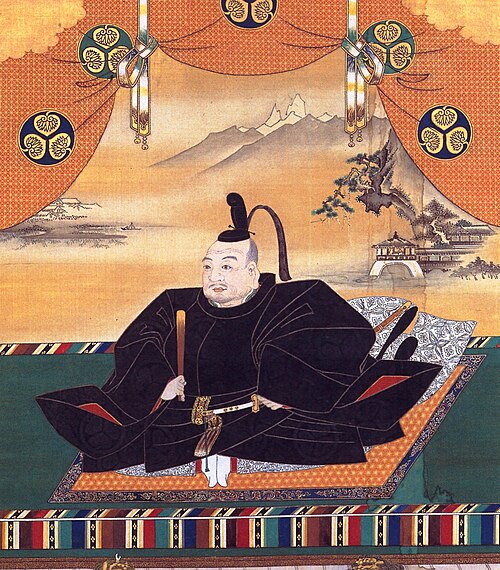
Tokugawa Ieyasu

ISTP - Virtuoso

Category

History

Nationality

Japanese

Occupation

Shogun, Military Commander, Daimyo

About Tokugawa Ieyasu

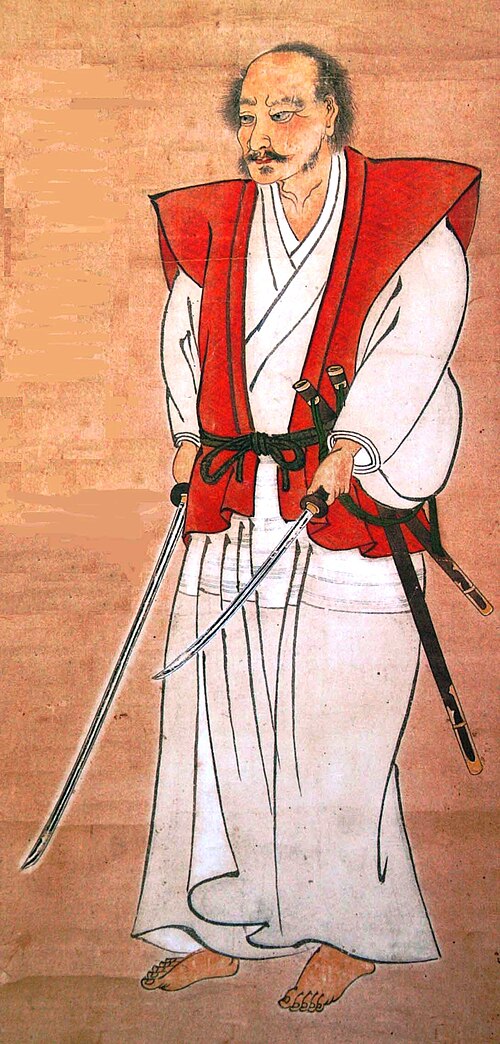
Tokugawa Ieyasu was the founder and first shogun of the Tokugawa shogunate of Japan, which ruled from 1603 until 1868. He is known for his brilliant political and military strategy, culminating in his victory at the decisive Battle of Sekigahara in 1600. His reign ushered in over 250 years of peace, stability, and isolation known as the Edo period.

Personality Profile: ISTP

Confidence: 85%

Personality Analysis

Tokugawa Ieyasu exemplifies the ISTP personality type, characterized by a dominant Introverted Thinking (Ti) and auxiliary Extroverted Sensing (Se). His decision-making was grounded in a cold, internal logic system focused on efficiency and survival. He famously advocated for patience, saying ‘patience means restraining one’s inclinations,’ which reflects his Ti’s methodical analysis and his 9w8 Enneagram’s desire for peace and stability, backed by a capacity for force. He did not act on impulse or ideology, but on a pragmatic calculus of risk and reward, dismantling problems with the precision of a mechanic.

His auxiliary Se was evident in his acute awareness of his immediate environment and his tactical prowess on the battlefield. He was a master of leveraging terrain and timing, as seen at Sekigahara. His Se also gave him a practical, hands-on approach to governance and resource management. However, his use of Se was always in service of his long-term Ti framework, not for hedonistic pleasure. His tertiary Introverted Intuition (Ni) allowed him to foresee long-term consequences and plan decades ahead, envisioning a stable shogunate that would last for centuries.

Interpersonally, his inferior Extroverted Feeling (Fe) manifested as a strategic, rather than empathetic, use of social harmony. He understood the importance of feudal loyalty and social order for stability, but his alliances (like those with Oda Nobunaga and Toyotomi Hideyoshi) were famously pragmatic and often temporary. He could be ruthlessly pragmatic, ordering the execution of Hideyoshi’s heir to secure his own lineage’s future. His growth as a leader involved developing this Fe to construct a complex, hierarchical social system (the sankin-kotai and class structure) that enforced loyalty and minimized conflict, achieving peace through control rather than genuine communal feeling.

Supporting Evidence

His early life as a hostage instilled immense patience and observational skills. He waited decades under the rule of Oda Nobunaga and Toyotomi Hideyoshi, serving them loyally while quietly building his own power base in the fertile Kanto region. At the Battle of Sekigahara, he demonstrated masterful Se and Ti by exploiting terrain, weather, and the pre-arranged defection of key enemies, turning the tide with a single, well-timed action. After his victory, he systematically dismantled potential threats through land redistributions and legal codes (the Buke Shohatto), showing Ti/Ni strategic planning. His ultimate act of patience was taking the shogunate title only after securing absolute power, then abdicating to solidify his dynasty’s succession, thinking generations ahead.

Cognitive Function Stack

Confidence: 85%

The cognitive function stack represents how an individual processes information and makes decisions based on Jungian personality type theory.

Auxiliary Function: Se

Extraverted Sensing - Experiencing and interacting with the immediate environment.

Dominant Function: Ti

Introverted Thinking - Analyzing and categorizing information logically and precisely.

Inferior Function: Fe

Extraverted Feeling - Connecting with others and maintaining social harmony.

Tertiary Function: Ni

Introverted Intuition - Perceiving underlying patterns and developing long-range visions.

Enneagram Personality Profile:

Confidence: 85%

9w8

Big Five Personality Traits

Confidence: 85%

The Big Five personality traits represent the five broad dimensions of personality that are commonly used to describe human personality.

Openness 0%
Conscientiousness 0%
Extraversion 0%
Agreeableness 0%
Neuroticism 0%

Similar ISTP Characters

Explore other characters with similar personality traits